
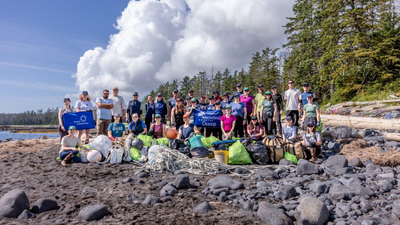
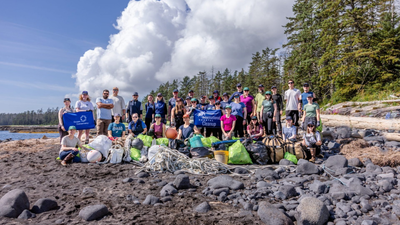
More than 1.3 million plastic bottles were collected from coastlines and waterways worldwide in a massive volunteer cleanup effort that began 40 years ago with just 2,800 people on the Texas Gulf Coast. The International Coastal Cleanup, organised by Ocean Conservancy, drew about 630,000 volunteers in 2025, who removed nearly 13.9 million pieces of rubbish across more than 15,000 miles of coastline and waterways. Plastic beverage bottles were the most commonly recorded item, with 1,338,712 collected during the campaign, while volunteers also picked up hundreds of thousands of bottle caps, plastic bags and other discarded packaging. What started as a local Texas effort has since become a global movement whose decades of data are helping researchers assess which plastic policies can actually reduce pollution.
From a Texas beach to a global movement: How volunteers collected 1.3 million plastic bottles
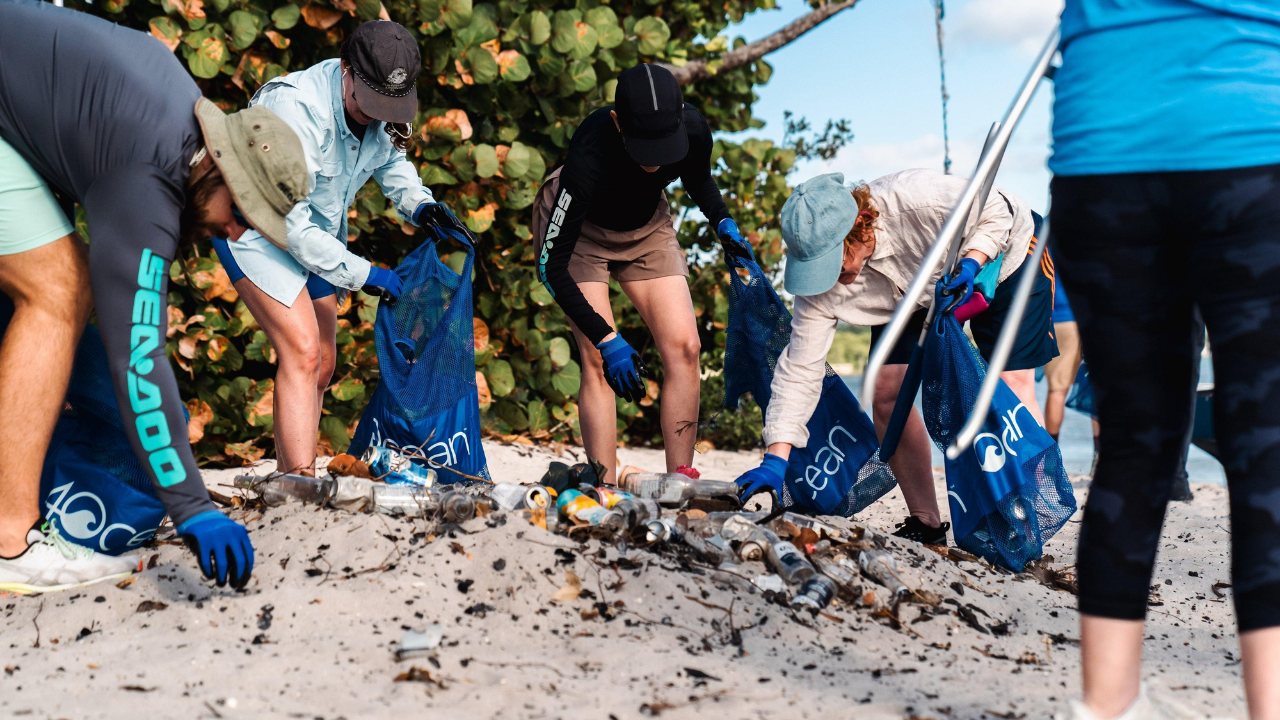
The International Coastal Cleanup began in 1986, when 2,800 volunteers came together to remove rubbish from beaches along the Texas Gulf Coast. Four decades later, the initiative has grown into a worldwide effort involving communities in 166 countries and territories. Nearly 20 million people have taken part in the cleanup since it began, collectively removing more than 439 million individual pieces of rubbish weighing about 184,000 tonnes. The campaign has also evolved from simply removing waste to documenting it. Volunteers record the items they collect, creating a huge database that provides researchers with information on the types of rubbish reaching coastlines and waterways around the world.The latest figures show just how large the movement has become. In 2025, around 630,000 volunteers participated and recorded nearly 13.9 million pieces of rubbish. They covered more than 15,000 miles of coastline and waterways, with plastic beverage bottles emerging as the most frequently recorded item. A total of 1,338,712 bottles were collected, alongside 885,854 plastic bottle caps. More than 1.2 million cigarette butts were also removed, as were about 581,000 plastic shopping bags and more than 1 million other plastic bags and food containers.
Plastic bottles top the list of rubbish collected
The number of bottles collected during the latest campaign highlights how strongly disposable plastic continues to feature in coastal and waterway litter. Plastic beverage bottles were the most commonly recorded item in the 2025 cleanup, while bottle caps ranked third. Over the entire history of the International Coastal Cleanup, volunteers have recorded nearly 27 million plastic drinks bottles and around 20 million plastic bottle caps.Ocean Conservancy’s director of plastics policy, Dr Anja Brandon, said the continued presence of bottles was particularly concerning because they are among the most recyclable plastic products. She pointed to excessive plastic production and gaps in waste management as two factors behind their continued appearance in the environment. Increasing access to recycling, expanding bottle deposit-return systems and investing in reuse and refill infrastructure could help prevent more bottles from reaching rivers, beaches and oceans.
Millions of other plastic items are still entering waterways
Plastic bottles were only one part of the rubbish collected during the 2025 campaign. Volunteers also found huge numbers of cigarette butts, shopping bags, food containers and bottle caps. Cigarette butts are particularly notable because many filters contain plastic, meaning an item that can appear small and harmless can introduce plastic material into the environment.The historical figures reveal an even larger accumulation. Since the first cleanup in 1986, volunteers have collected more than 65 million cigarette butts, 32 million food wrappers and about 20 million plastic bottle caps. The long-running records show that disposable consumer products repeatedly appear among the most common forms of litter found along coastlines and waterways.
Plastic waste can become dangerous for marine wildlife
The problem goes well beyond the appearance of littered beaches. Once plastic enters rivers, coastal waters and oceans, it can become a threat to wildlife through ingestion and other interactions. Ocean Conservancy has highlighted research in which an albatross was found to have died after ingesting an entire plastic bottle, demonstrating how a discarded consumer product can become a direct danger to marine animals.The organisation has stressed that plastic pollution should therefore not be viewed simply as an aesthetic problem. Plastic items can remain in the environment, move through waterways and become accessible to animals. Smaller fragments can also form as larger plastic objects deteriorate, creating further opportunities for wildlife to encounter and ingest plastic.
The cleanup has become a global citizen-science project
One of the most significant developments in the 40-year history of the International Coastal Cleanup is the amount of information generated by volunteers. Participants do not simply collect rubbish and dispose of it. They identify and record individual objects, allowing Ocean Conservancy to build a detailed record of marine debris over time.The organisation says its cleanup data have been cited in nearly 300 peer-reviewed studies. Researchers can use the records to examine which types of litter are most common, how waste patterns vary between locations and whether changes in legislation or waste-management systems are reflected in the rubbish found along shorelines.That means every bottle, bag, wrapper and cigarette butt recorded during a cleanup contributes to a much larger picture. The millions of observations gathered over four decades have created an evidence base that would be extremely difficult to replicate through conventional scientific surveys alone.
Researchers have used the data to test plastic policies
One of the clearest examples of the value of the cleanup data came from a study published in Science in 2025. Researchers analysed data from 45,067 shoreline cleanups in the United States alongside information on plastic-bag policies to examine whether bans and fees were associated with changes in the amount of plastic-bag litter being collected.The study found that plastic-bag bans and fees were associated with a 25% to 47% reduction in plastic bags as a proportion of the items collected on shorelines compared with locations without those policies. The researchers also found that the reduction became larger over time after the policies were introduced, with no evidence of a rebound.The study provides an important example of how volunteer cleanup records can be used to assess the real-world effects of environmental policies. Rather than relying only on estimates of consumer behaviour or waste generation, researchers were able to examine what was actually being found along shorelines after different policies were introduced.
The findings could strengthen the case for reducing single-use plastic
Ocean Conservancy argues that cleanups can remove waste that has already entered the environment, but prevention is ultimately more important. The organisation has called for governments to reduce the production and consumption of unnecessary single-use plastics while improving recycling and waste-disposal systems.Deposit-return schemes are another measure that could help address the problem of discarded beverage containers. Under such systems, consumers pay a deposit when purchasing a drink and receive it back when the empty container is returned. Countries including Germany, Sweden and the Republic of Ireland have established successful deposit-return systems, while the UK is preparing to introduce its own scheme.The continued appearance of plastic bottles in cleanup records adds weight to arguments for improving collection and recycling systems. If more containers are recovered and returned rather than discarded, fewer are likely to reach rivers and coastlines.
Forty years of data show what happens after plastic reaches the environment
The International Coastal Cleanup’s long history gives researchers something that short-term surveys cannot provide. Volunteers have been documenting the same broad categories of waste for decades, creating a record that can reveal persistent patterns as well as changes following new policies.The campaign’s historical figures are striking. Nearly 20 million people have participated since 1986, while volunteers have collected hundreds of millions of individual pieces of rubbish. Plastic drinks bottles alone account for almost 27 million recorded items, making them one of the most persistent categories in the programme’s history.At the same time, the data need to be understood for what they are. The cleanup figures do not represent all the plastic entering the world’s oceans because the campaign only records rubbish found and documented by participating volunteers in participating locations. Instead, they provide a vast body of observations showing what kinds of waste are actually encountered along coastlines and waterways.
A Texas cleanup has become evidence for changing policy
What began with 2,800 volunteers on the Texas Gulf Coast in 1986 has become a global movement involving hundreds of thousands of people each year. The 1.3 million plastic bottles collected in 2025 offer the latest snapshot of a much larger problem, but they also demonstrate the extraordinary scale of what volunteers can accomplish when their efforts are coordinated and documented.The International Coastal Cleanup has therefore grown into something bigger than a campaign to make beaches cleaner. Its volunteers are removing pollution, recording what they find and creating a dataset that researchers can use to evaluate environmental policies. The evidence from plastic-bag regulations shows that such data can help identify measures associated with real reductions in shoreline litter.After four decades, the legacy of those 2,800 Texas volunteers is no longer limited to the rubbish they removed from one stretch of coastline. Their effort helped establish a global movement that has collected hundreds of millions of pieces of waste and generated evidence that could help governments determine how to keep more plastic from reaching the world’s waterways in the first place.