Trump accounts explained: How can you claim money for your kids under the new initiative
Trump Accounts give every US newborn $1,000 in a government-backed investment account, growing for education, business or home needs, with access from age 18.
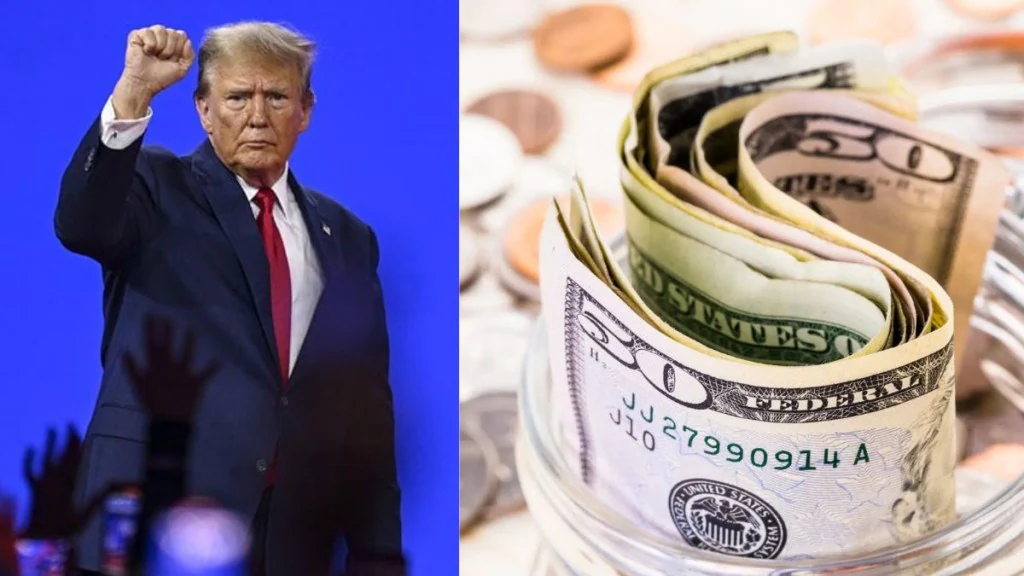
Trump Accounts are a new government-backed savings initiative designed to give every eligible American child a financial head start in life.
Under the programme, each baby born in the United States between January 1, 2025, and December 31, 2028, will receive a one-time $1,000 contribution from the US Treasury.
The program received a major push this week when billionaire philanthropists Michael and Susan Dell donated $6.25 billion on GivingTuesday, the largest donation yet toward the initiative.
The Trump Administration included this policy in the “One Big Beautiful Bill” passed earlier this year.
ALSO READ
Bitcoin’s largest corporate holder shocks Wall Street – Strategy’s https://headlinefocusnews.com/us-government/business value shrinks to negative $10.2 billion
How children will use the money
The account belongs to the child from birth, but the funds are locked away until adulthood. At age 18, children can make partial withdrawals for specific needs, such as paying college tuition, financing vocational training, or putting capital into a new business idea.
At 25, they gain access to the full amount for these approved purposes. Only at age 30 will the beneficiary be allowed to use the money freely for anything they choose. Until the child turns 18, the account is handled by a parent or legal guardian.
Who is eligible?
Any baby born in the US during the designated four-year window is eligible. Parents or guardians must have a Social Security number and be legally authorised to work in the United States in order to open and manage the account on the child’s behalf.
The structure is similar to how a retirement account works: funds grow over time, and early or unapproved withdrawals may face penalties.
Contributions from families are expected to come from after-tax dollars, meaning taxes have already been paid before the money enters the account. Whether withdrawals are taxed later will depend on how the funds were originally contributed and how they are used.
If a withdrawal is made for a purpose not considered “qualified,” the beneficiary could face a 10% penalty, and in some cases may owe income tax on the amount taken out.
The rules mirror some aspects of individual retirement accounts (IRAs), with tax advantages reserved for spending that benefits long-term development.
Why the program is controversial
Trump Accounts draw comparisons to “baby bond” programs already running in several US states and Washington, D.C. Those initiatives focus specifically on helping low-income children build wealth.
In contrast, the Trump program is universal, every child receives the same $1,000, regardless of family background. Critics argue this could widen the wealth gap, since wealthier families are more likely to contribute the maximum amount each year and benefit more from market growth.