
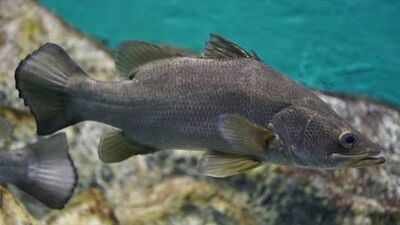
Nile PerchPhoto: Wikipedia In the late 1950s and early 1960s, Nile perch were introduced into Lake Victoria with the hope that the large predatory fish would strengthen local fisheries. The decision w...
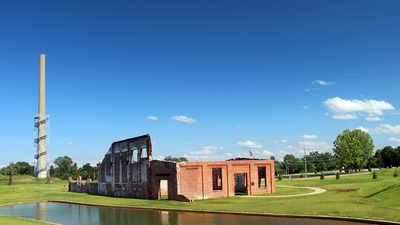
What was once an industrial site dominated by a glass factory and a towering smokestack has been transformed into a sprawling public park in Mount Vernon, Ohio. Ariel-Foundation Park, now covering 250...
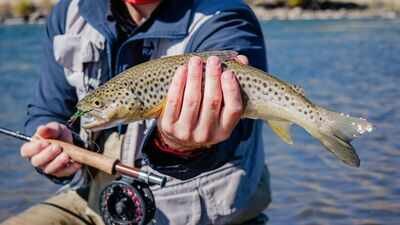
For more than a century, California’s high mountain lakes were stocked with trout to make remote wilderness more attractive to anglers. Between 1870 and 1988, fish were carried or flown into lakes and...
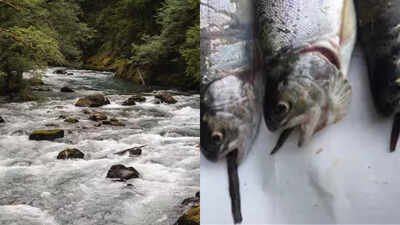
View of the Ohanapecosh River and predated Northwestern Salamanders (Ambrystoma gracile) eaten by introduced trout. Mount Rainier’s glaciers and snowfields feed a magnificent system of icy streams and...
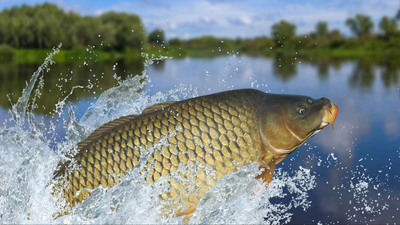
Invasive Species: Why Are Asian Carp a Problem? An intensive 28-year eradication campaign has eliminated common carp from two major Tasmanian lakes, achieving what fisheries experts around the world o...
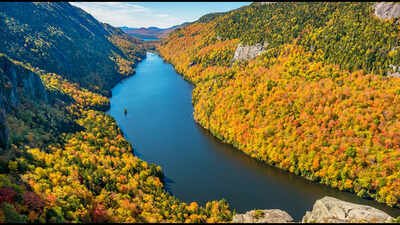
Published in the journal One Ecosystem, the research provides the first systematic assessment of the Southern American Coastal Shallow Subtropical Lakes What if lakes could warn us about an environmen...
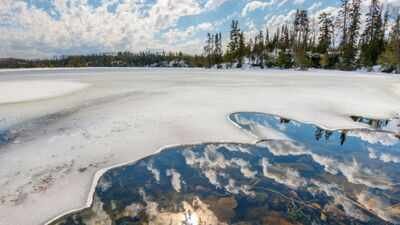
Study says Northern Hemisphere lakes may lose 40 days of winter ice by 2100 (National Geographic photo) Winter ice on lakes plays an important role in keeping lakes healthy by controlling water temper...
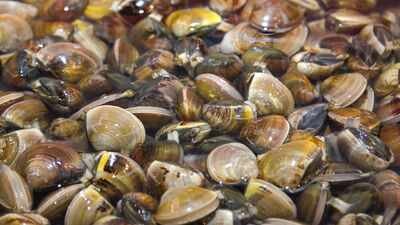
zebra mussels (Representative image by Canva) In the late 1980s, an aquatic invader quietly entered North America through an unlikely route: a ship’s ballast water. That species was the zebra mussel, ...
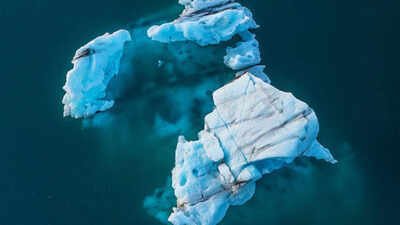
Across the globe, there are approximately 200,000 to 275,000 glaciers that hold 69% of the world’s fresh water. They are found in every continent except Australia and are in heavy concentrations...
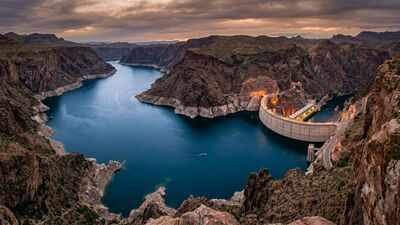
Deepest man-made lakes in the United States were not created by nature but by engineering on an enormous scale. Before these reservoirs existed, many were steep river valleys and rugged canyons carved...