

Let us accept it: livestock farming is a heavy burden on the environment. Raising animal feed takes vast amounts of land and huge supplies of freshwater, and it adds to global warming by releasing methane and nitrous oxide. Many consumers also worry about animal welfare. These pressures are helping to fuel the rapid expansion of the global meat-alternative market, now estimated to be worth between €6.7 billion and €8.1 billion a year. The market is expected to grow at a CAGR of 8.1%-12.3% during the next 10 years. In such situations, microbial engineering is a common way of producing meat substitutes. This means inserting genes for animal proteins into bacteria or yeast and growing the organisms in bioreactors to produce the desired proteins. According to reports, now scientists have shown another possible route: making animal proteins using plants as factories. According to a news report published by Phys Org, researchers and collaborators at Imperial College London have genetically engineered lettuce and tobacco plants to make myoglobin, an important protein found in animal muscle. Their findings, published in Frontiers in Plant Science, indicate that plants might eventually become a more sustainable source of myoglobin for plant-based meat products.
Feeding plants a taste of meat
For the uninitiated, myoglobin is present in the heart and skeletal muscles of vertebrates. The protein is iron-containing, giving it the umami and metallic qualities of meat. Also, oxygen bound to myoglobin gives meat its typical red color. According to the report, first, the researchers cloned the genes that produce myoglobin in pigs and cattle. They then used a technique called a gene gun to physically insert copies of these genes into the chloroplasts of tobacco and lettuce seedlings.It is also mentioned that chloroplasts are organelles in plant cells where photosynthesis takes place. Some of the transformed seedlings successfully integrated the animal genes into the small circular genomes in their chloroplasts. The plants were then grown to maturity, flowered and set seed and the transgenes were inherited by their progeny. To compare, the scientists also inserted myoglobin genes into the nuclear genomes of tobacco and lettuce and into the chloroplasts of the single-celled green alga Chlamydomonas reinhardtii.
Chloroplasts produce more protein
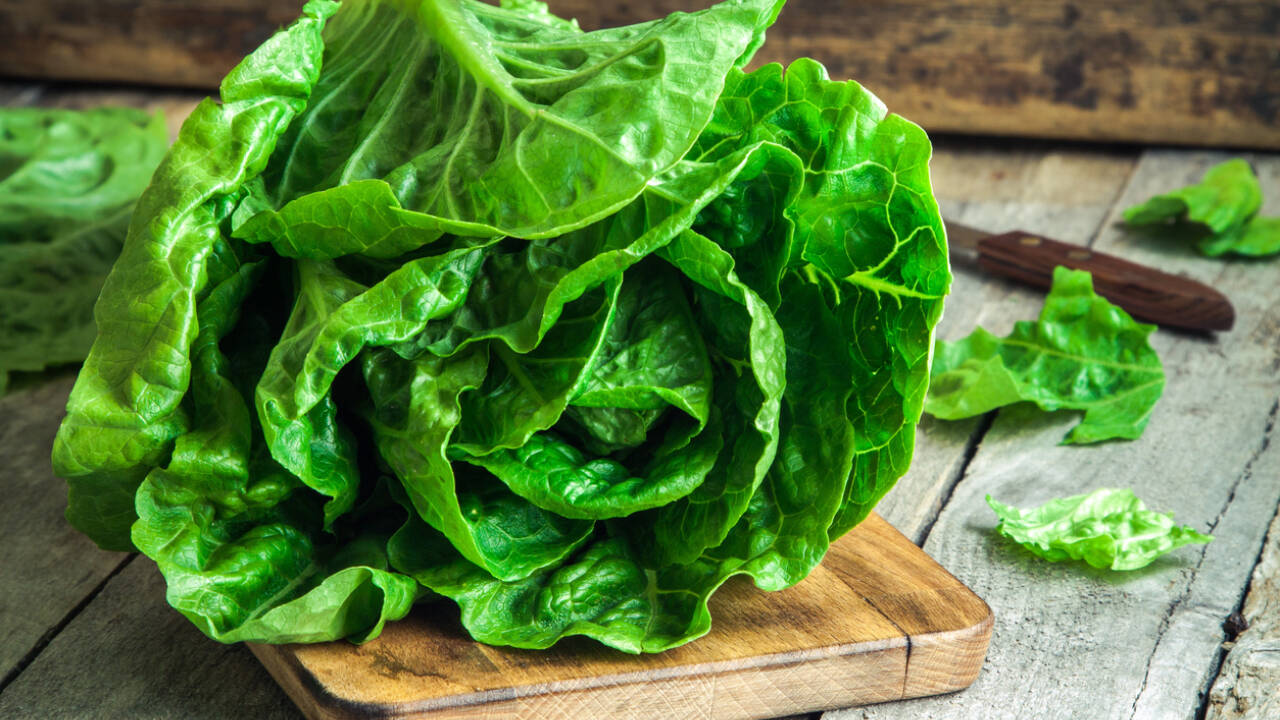
To compare, the scientists also inserted myoglobin genes into the nuclear genomes of tobacco and lettuce and into the chloroplasts of the single-celled green alga Chlamydomonas reinhardtii.
The researchers found that chloroplasts were especially good at making myoglobin. This is partly due to the evolutionary origin of chloroplasts as bacteria, and the abundance of copies of the chloroplast genome in each plant cell. The scientists used liquid chromatography-mass spectrometry to determine a myoglobin yield of approximately 800 milligrams per kilogram of dry tobacco and 810 milligrams per kilogram of dry lettuce. These levels were at least 3-fold higher than those obtained by inserting the myoglobin gene into the nuclear genome of tobacco. Meanwhile, real meat contains about 8.1-11.2 milligrams of myoglobin per gram of dry weight.The yields from the plant production must still be improved, but the researchers argue that the cultivation of plants could finally offer major resource advantages over livestock farming. In theory, producing animal proteins in crops might provide large amounts of protein per hectare with much less water and greenhouse gas emissions.
From lab plants to meat alternatives
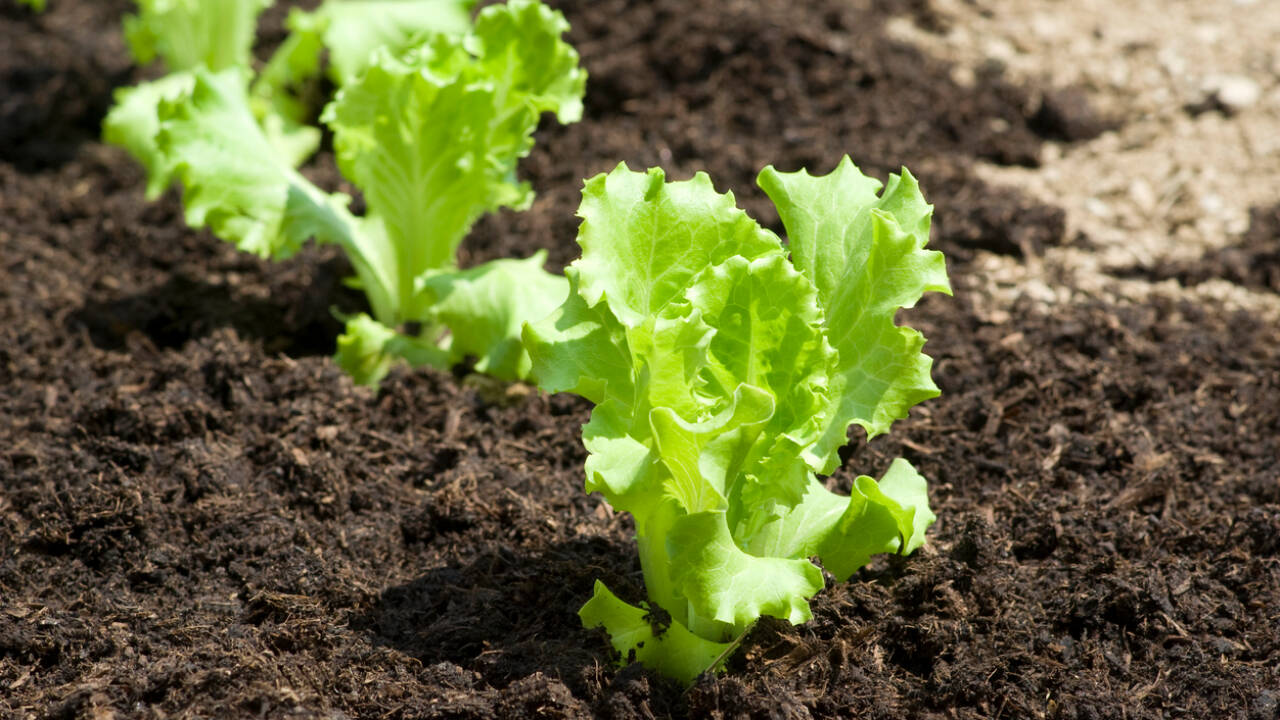
It is reported that myoglobin could be isolated from plant leaves and purified by conventional industrial protein purification methods.
The next question is whether the technology can be scaled for commercial production? It is reported that myoglobin could be isolated from plant leaves and purified by conventional industrial protein purification methods. The resulting animal myoglobin can then be added to plant-based meat products to improve their color, flavor, and nutritional properties. The scientists also see a nutritional application for the genetically engineered lettuce. Lettuce engineered to produce myoglobin could be developed as a heme iron-enriched food, if regulations permit. The study is currently proof of principle, not a ready-made technology for commercial use. But it does show that edible crops could one day become biological factories for the production of particular animal proteins, providing another route to more sustainable meat alternatives.Images Courtesy: istock