
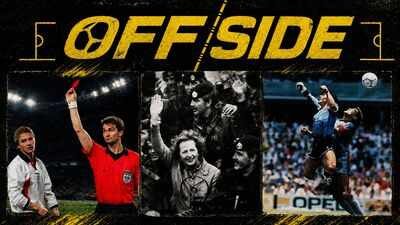
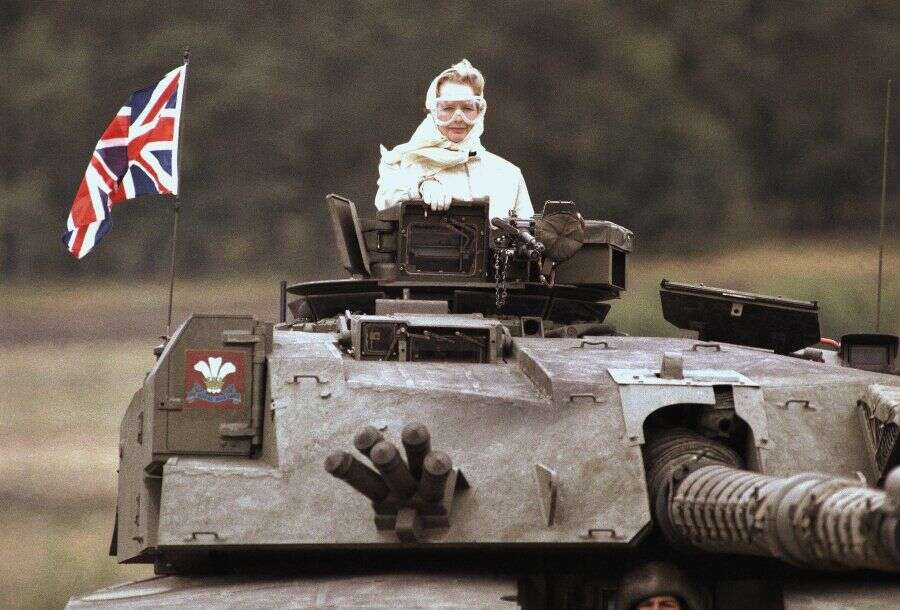
There are various reasons the English football team is one of the most detested in the world. Perhaps it has something to do with British smugness. Or English tourists being louts wherever they go. Maybe it is the vestige of colonialism, an endeavour to sell opium, that the likes of Rudyard Kipling tried to pass off as a civilisational burden, that makes us detest the modern Englishman.A little of it is smugness about one’s language, that particular Higgins-Macaulay Complex that tries to judge every person based on how they speak English. Or it is the tabloid press, which hypes the team to such an extent that the entire world has a collective schadenfreudegasm whenever England lose at anything. But the curious thing is that, if you have been on Football Twitter, this time around the various footballing tribes are actually backing England to beat Argentina.There are various reasons for this.Some of a more progressive persuasion believe that an apparently all-white team representing a country led by an avowed Zionist — ironic, given Argentina’s history of harbouring Nazis, though progressive folks would argue that Israel is the new Third Reich — must be vanquished by a multicultural English side. Others believe FIFA is doing everything in its power to ensure Lionel Messi reaches the final again, so much so that Argentina have been dubbed VARgentina for ostensibly benefiting from refereeing decisions, and are looking to England to deliver some karmic justice.But long before England vs Argentina divided the footballing world along ideological lines, it was a fixture that was always more war than football, and previous results still rankle England with Brexit-like intergenerational traumaLong before Margaret Thatcher framed the Falkland Islands War as a battle between “brute force” and “the rule of law” — the WENA tendency to somehow add vacuous moral justification to one’s own actions — it was an Argentine captain named Antonio Rattín who planted the seeds of the rivalry and whose actions during the 1966 World Cup helped inspire the introduction of red and yellow cards.
The story goes that Rattín refused to leave the pitch after being sent off by West German referee Rudolf Kreitlein. The party line was that it was, as The Guardian recalls, “violence of the tongue”, a remarkably hostile version of the Hollywood movie Lost in Translation, given that neither man could understand what the other was saying.Rattín always claimed he was asking for an interpreter and, after leaving the pitch following an eight-minute protest, sat down on a red carpet intended for the Queen before vandalising a corner flag bearing the Union Jack. Rattín’s actions that day led FIFA to seek a universally understood system of officiating, culminating in the red and yellow cards that are used to this day and, apparently, can only be rescinded if the president calls.That day, England felt that the Argentines had taken a leaf from Gangs of Wasseypur antagonist Ramadhir Singh’s playbook — use legal means when illegal ones do not work — and taken gamesmanship to the next level.
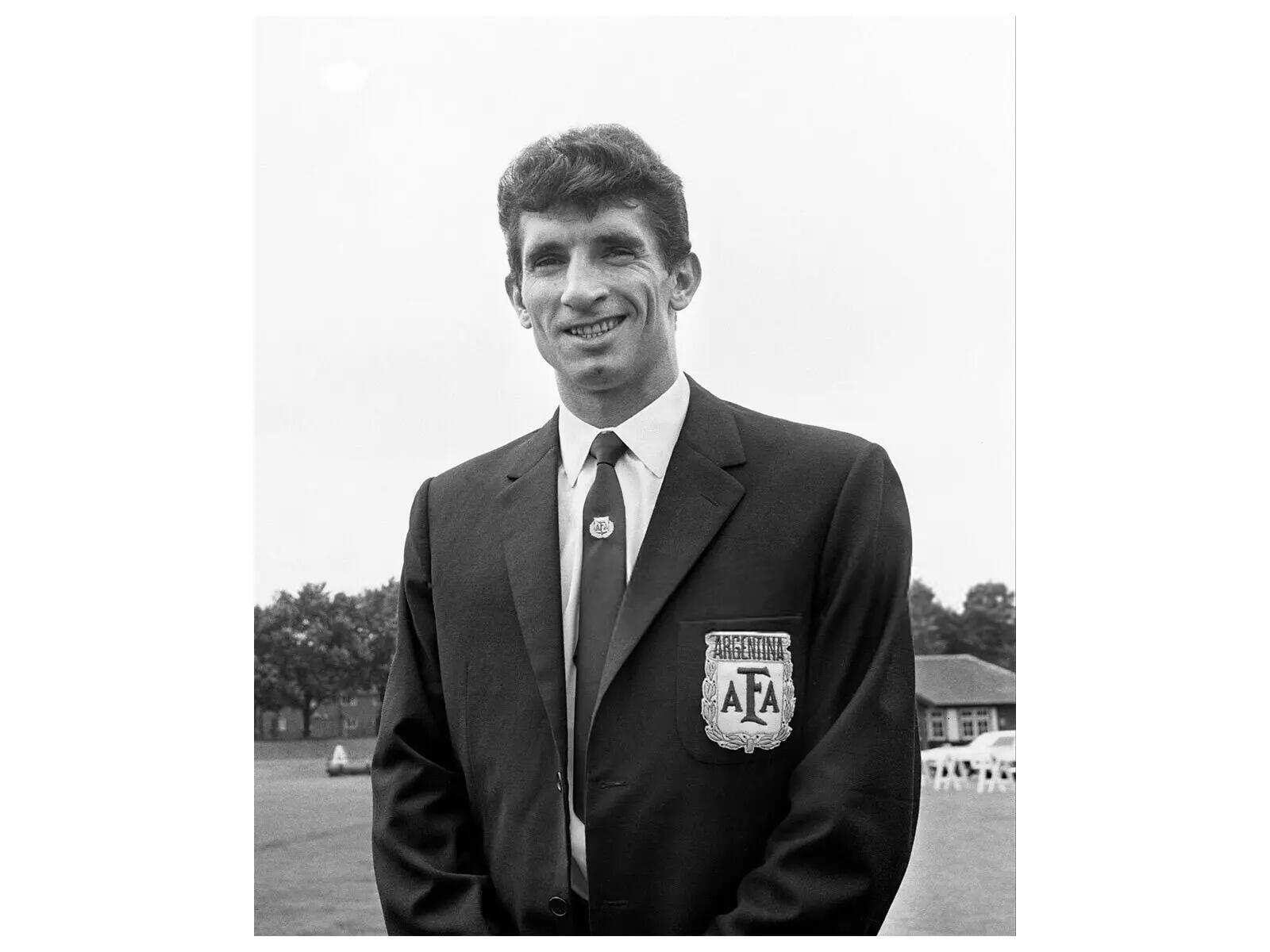
Argentina football legend Antonio Rattin passes away at 89
If there was war on the pitch that day, 16 years later there was an actual war when Argentina invaded the Falkland Islands, known in Argentina as the Malvinas, in April 1982. The Brits — still living in a time when they were not dependent on a US president’s largesse for the defence of their perceived realms — sent a naval task force to reclaim them in a conflict that lasted 74 days and led to the deaths of 649 Argentine military personnel and 255 British military personnel.And this brought us to the Estadio Azteca on 22 June 1986, the same venue where Bellingham and Co put up a backs-to-the-wall fight to beat Mexico after going down to ten men in the round of 16.That day gave us football’s most infamous and most famous goals back to back.The irony is that Argentina’s military junta had attempted to use the 1978 World Cup to build legitimacy, but it had collapsed by the time England met Argentina. The match was not so much revenge for the Falklands defeat as national catharsis for a country that had got rid of its junta and now beaten the mighty English.Early in the second half, as the ball looped into the air, Maradona leapt up and put it past the much taller Peter Shilton. Neither the referee nor his assistant had seen the handball, and the goal stood. It is a moment that is still so traumatic that, to this day, Shilton blocks people on Twitter who have the temerity to point out that he should have stopped the 5ft 5in Maradona that day.The mythology exploded after Maradona said that the goal had been scored partly by his head and partly by the “Hand of God”.What happened next raised Maradona to the pantheon of footballing gods.
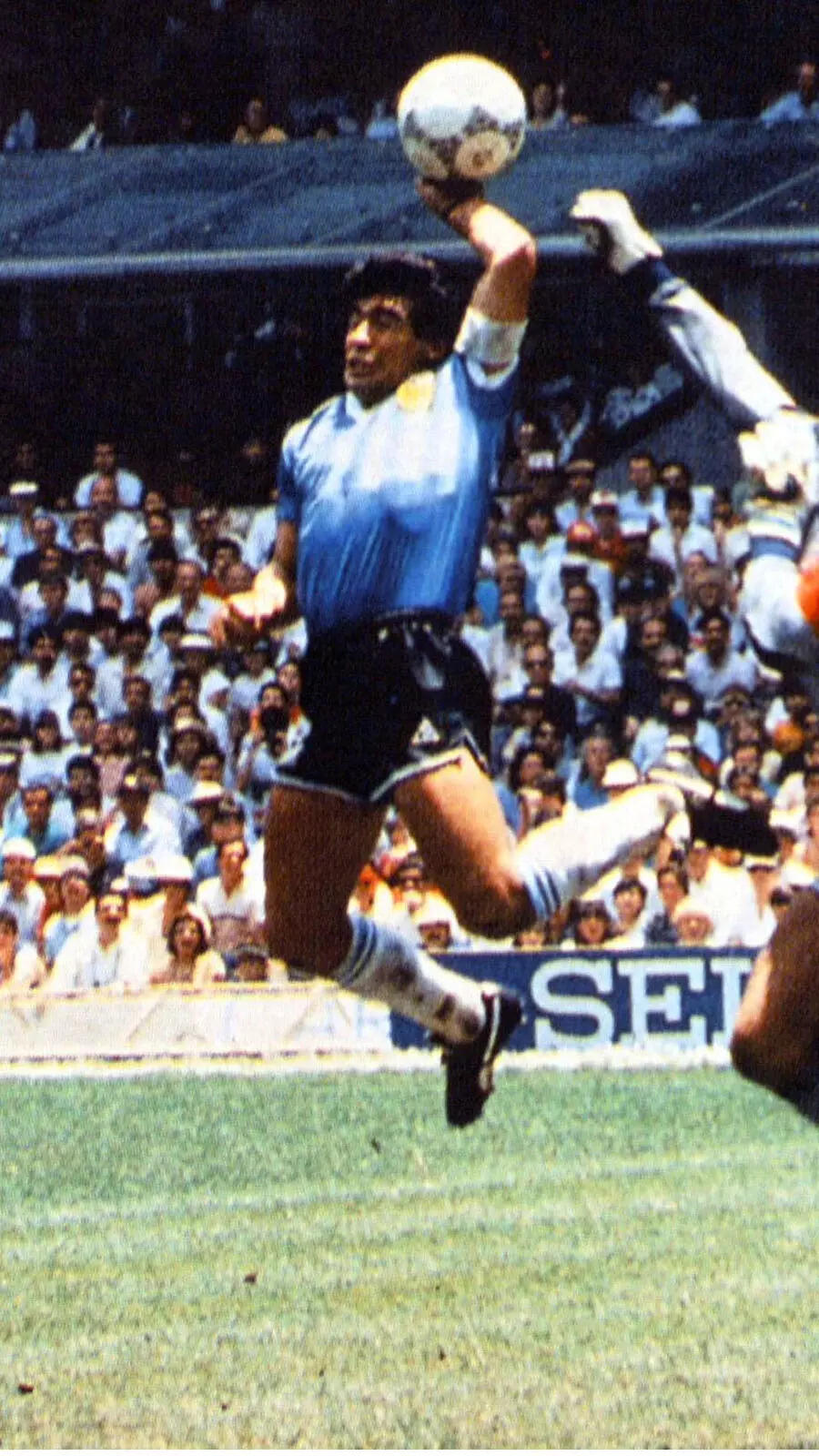
Diego Maradona’s infamous goal against England in the 1986 World Cup quarter-finals is one of the most controversial moments in the history of the FIFA World Cup. The ball went up into the air between England goalkeeper Peter Shilton and Maradona and the Argentinian legend used his hand instead of his head to put the ball into the net.
England had a fearsome squad, with what felt like half of them named after the first Pope, but it was Maradona who was spreading the gospel that day. Peter Beardsley, Peter Reid, Terry Butcher and Terry Fenwick were beaten by his slaloming run, which covered half the pitch before he rounded Peter Shilton and scored what FIFA and all members of the civilised world consider the greatest goal ever scored.That goal became the Old Master against which all such goals would henceforth be measured. Every slaloming run, from Messi against Getafe to Ryan Giggs against Arsenal, is held up against it.1986 left a Brexit-sized hole in the British psyche, a trauma from which the nation was only beginning to recover when 1998 happened.Both teams were supremely talented.Argentina had Gabriel Batistuta and Javier Zanetti and were captained by Diego Simeone, who will be recognisable to this generation as the haramball-purveying manager of Atlético Madrid, whose players treat football like war.England had Alan Shearer, a young wunderkind named Michael Owen and a certain future knight of the British realm named David, who, to borrow a line from Leonard Cohen, knew a special chord that pleased the Lord. Or at least his right boot did. But that day, the boots that were meant for kicking a ball did something else.It was a cracker of a round-of-16 match, with David Seaman bringing down Simeone before Gabriel Batistuta made it 1-0 from the penalty spot. Alan Shearer returned the favour after Michael Owen was fouled, before Owen scored a remarkable goal, bursting from near the halfway line and beating Argentine defenders with the kind of slaloming run usually associated with Argentina.Argentina then produced a piece of training-ground theatre just before half-time. Juan Sebastián Verón rolled a free kick towards Javier Zanetti, who had slipped behind England’s wall before turning and firing past Seaman to make it 2-2.But then came the brainfart that would define the next phase of Beckham’s career, even if it perhaps created the adversity that helped make him one of the best footballers in the world before he eventually turned himself into a case study in late capitalism. After a tangle with Simeone, Beckham struck out his leg to cheekily get him, the kind of childish petulance one expects from a Pink Panther skit, not a football match involving grown-ups.The rest is footballing history. Ten-man England held on before being knocked out on penalties. Beckham became public enemy number one, but then had the breakout Manchester United season that saw the club win the treble.
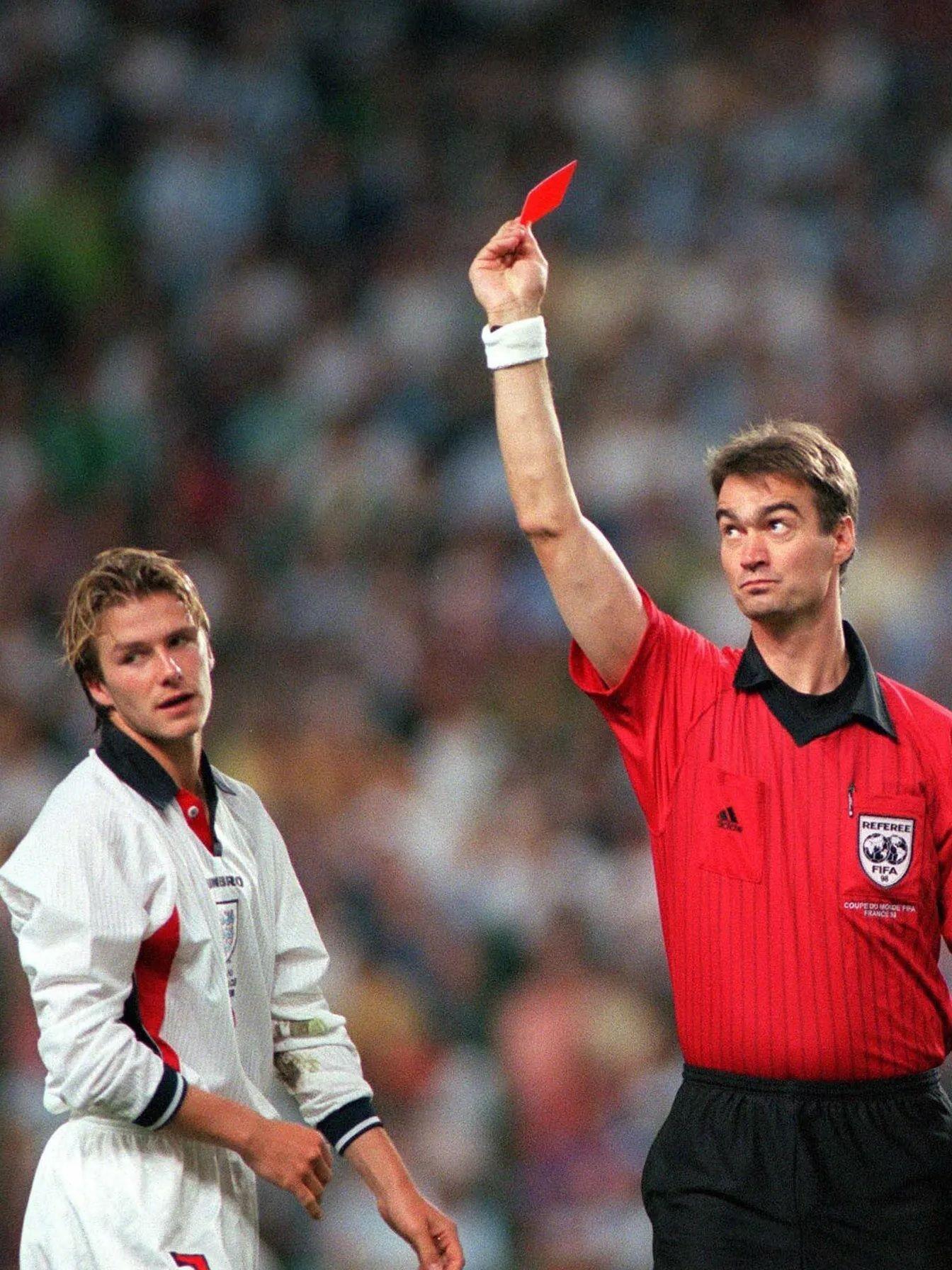
Beckham would get his revenge in 2002 when he scored the only goal against Argentina from the penalty spot, a defeat that helped condemn them to their first World Cup group-stage exit in 40 years. Strangely enough, that was the last time the two teams met at a World Cup.In that time, England kept losing, as they were wont to do, though they did improve by reaching the 2018 World Cup semi-final and consecutive European Championship finals.Argentina saw a young man named Lionel Messi grow up to become the greatest footballer of all time, winning everything there was to win in club football before finally lifting trophies with his country, culminating in the World Cup in 2022. He now plays in David Beckham’s club in Inter Miami and at 39, still possesses some of the magic that made him such a delight to watch. Yes, he walks more on the pitch than he dribbles past defenders as though they are traffic cones, but he remains capable of moments of magic, although from the 12-yard spot he suddenly becomes football’s version of Shaquille O’Neal taking free throws.Against him is a talented English side who have found different ways to get past teams: with élan, with fire and, when all else fails, by giving the ball to a young lad so talented that the Beatles wrote a song about him.
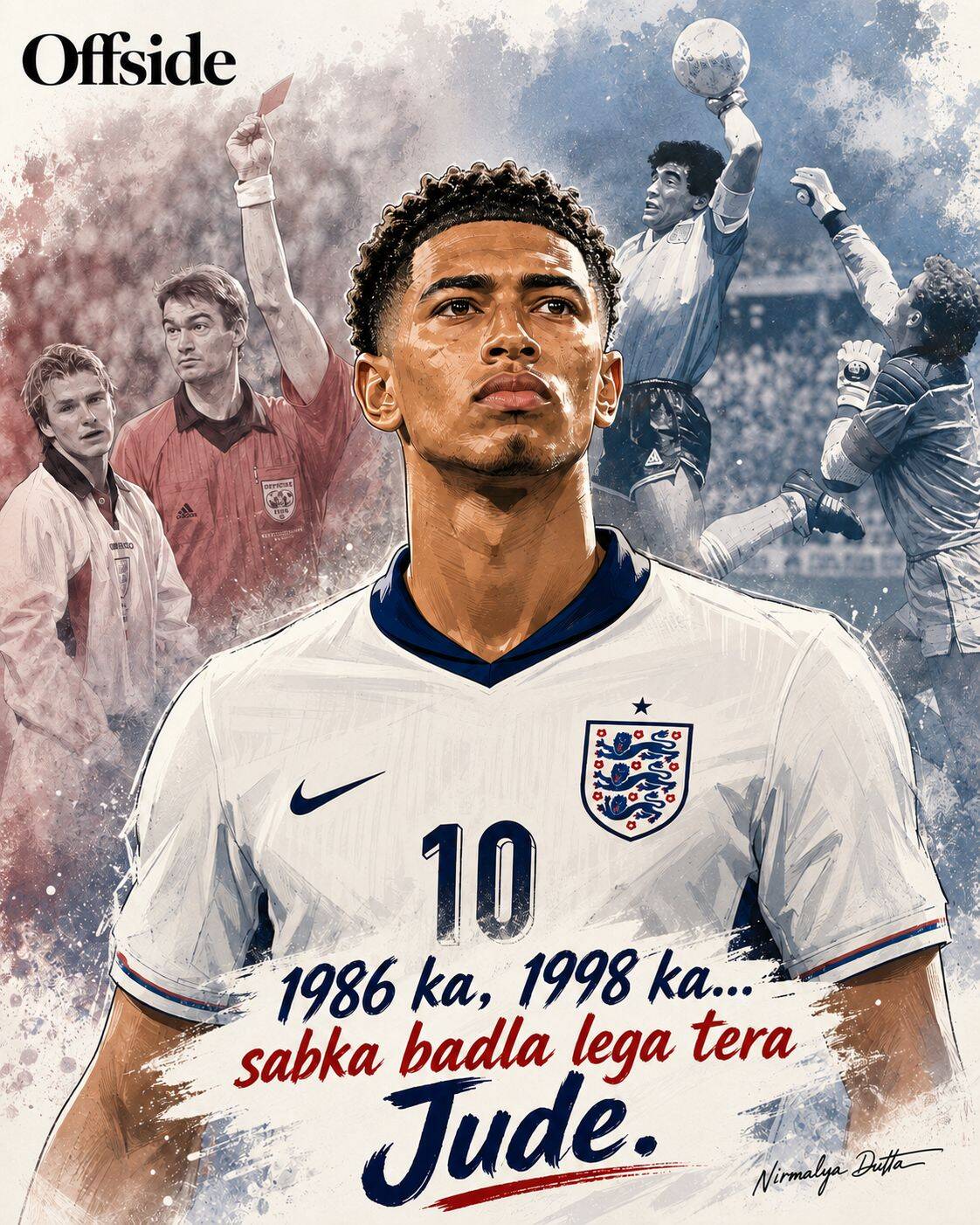
But as the two teams face off, how did the Transatlantic Derby become a flashpoint in global politics, with people counting on “multicultural” England to teach “white-only” Argentina a lesson?For that, we need a brief walk down memory lane.Among all South American countries, Argentina has always been the most pro-European, so much so that Article 25 of the Argentine Constitution directs the federal government to encourage European immigration and prohibits it from restricting, limiting or taxing foreigners arriving to cultivate the land, improve industries or introduce and teach the arts and sciences.The slogan that shaped this was gobernar es poblar, or “to govern is to populate”, which is absolutely the opposite of Thanos’ worldview. Of course, the desired population largely referred to Europeans. The political elite associated Europe with education and civilisation, while Indigenous, Black and mixed-race populations were associated with “barbarism”.This produced an immigration pattern very different from England’s.Argentina encouraged mass European immigration, overwhelmingly from Italy and Spain, leading to a decline in the relative proportion and public visibility of its Black, Indigenous and mixed-race populations.England became multicultural through almost the opposite journey. Britain built an empire across the Caribbean, Africa and South Asia, and after the Second World War, people connected to that empire moved towards its centre through citizenship links, labour shortages and family networks.In a strange way, Argentina’s apparent whiteness and England’s multiculturalism are opposite sides of the same coin: a deliberate project of Europeanisation versus the demographic afterlife of colonialism.Most arrivals in Argentina were Italian and Spanish, though post-war Argentina would acquire notoriety for sheltering numerous Nazi fugitives.This included Adolf Eichmann, who was extracted The Dark Knight-style by Mossad after his son Klaus could not keep his trap shut about his father’s “military service” and bragged to a young woman whose father was a German-Jewish refugee. Eichmann had been living near Buenos Aires under the name Ricardo Klement before Israeli agents captured him in 1960.
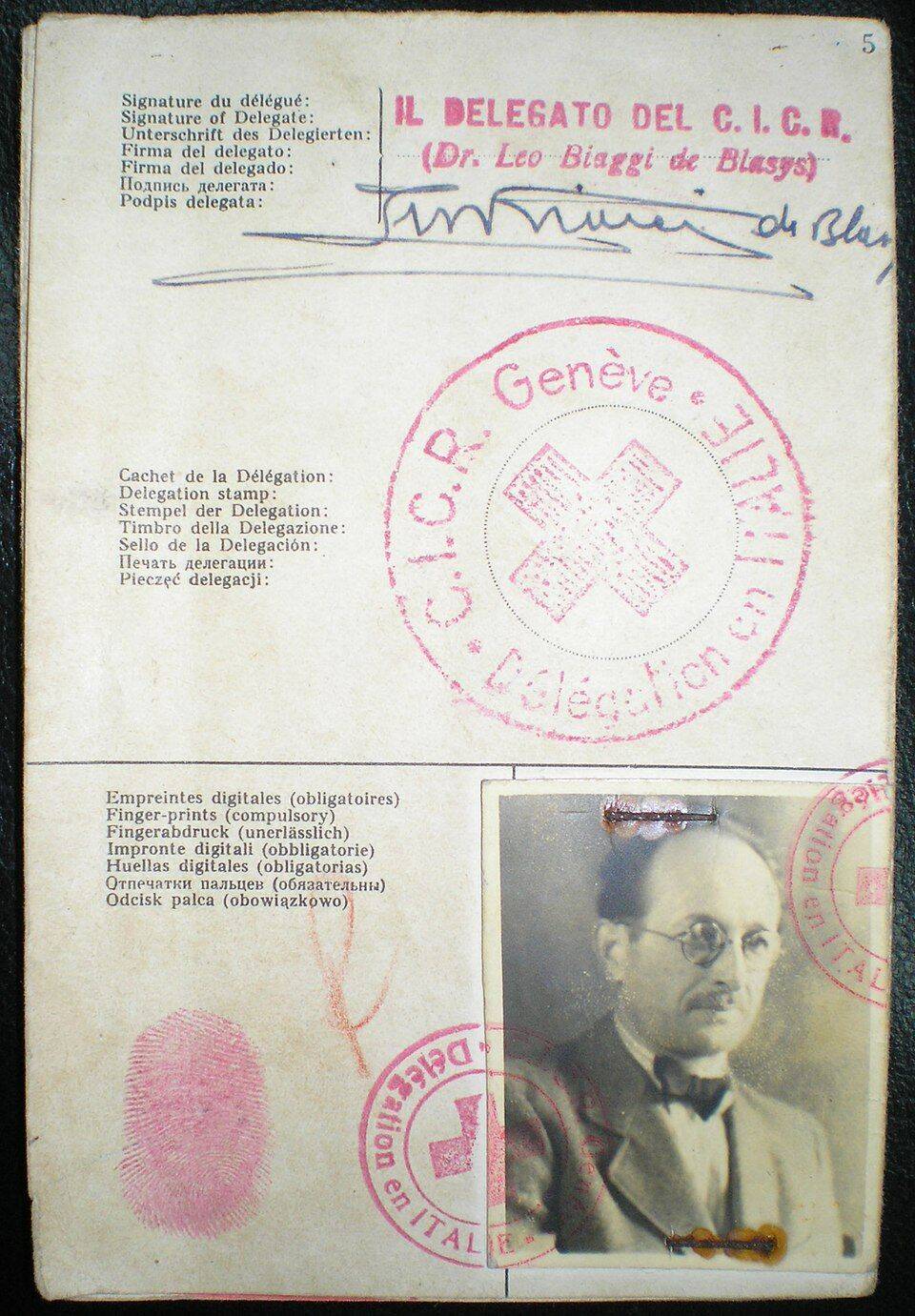
Red Cross passport for “Ricardo Klement”, used by Eichmann to enter Argentina in 1950 (Source: Wikimedia Commons)
The history is more contradictory than the internet version.Argentina also became home to thousands of Jewish refugees and Holocaust survivors and today has Latin America’s largest Jewish community. The same country sheltered some of the Holocaust’s victims and some of its perpetrators.A lot of water has flowed under the bridge since then, with Israel now earning, from some of its fiercest critics, comparisons once reserved for Nazi Germany. This means that the Transatlantic Derby between England and Argentina, which was always more than football, now has a distinct world-war feel to it.Another footnote is Argentina’s president, Javier Milei, who proudly proclaims that he is the “most Zionist president in the world”, is a huge admirer of Margaret Thatcher and has aligned himself closely with Donald Trump and his allies.
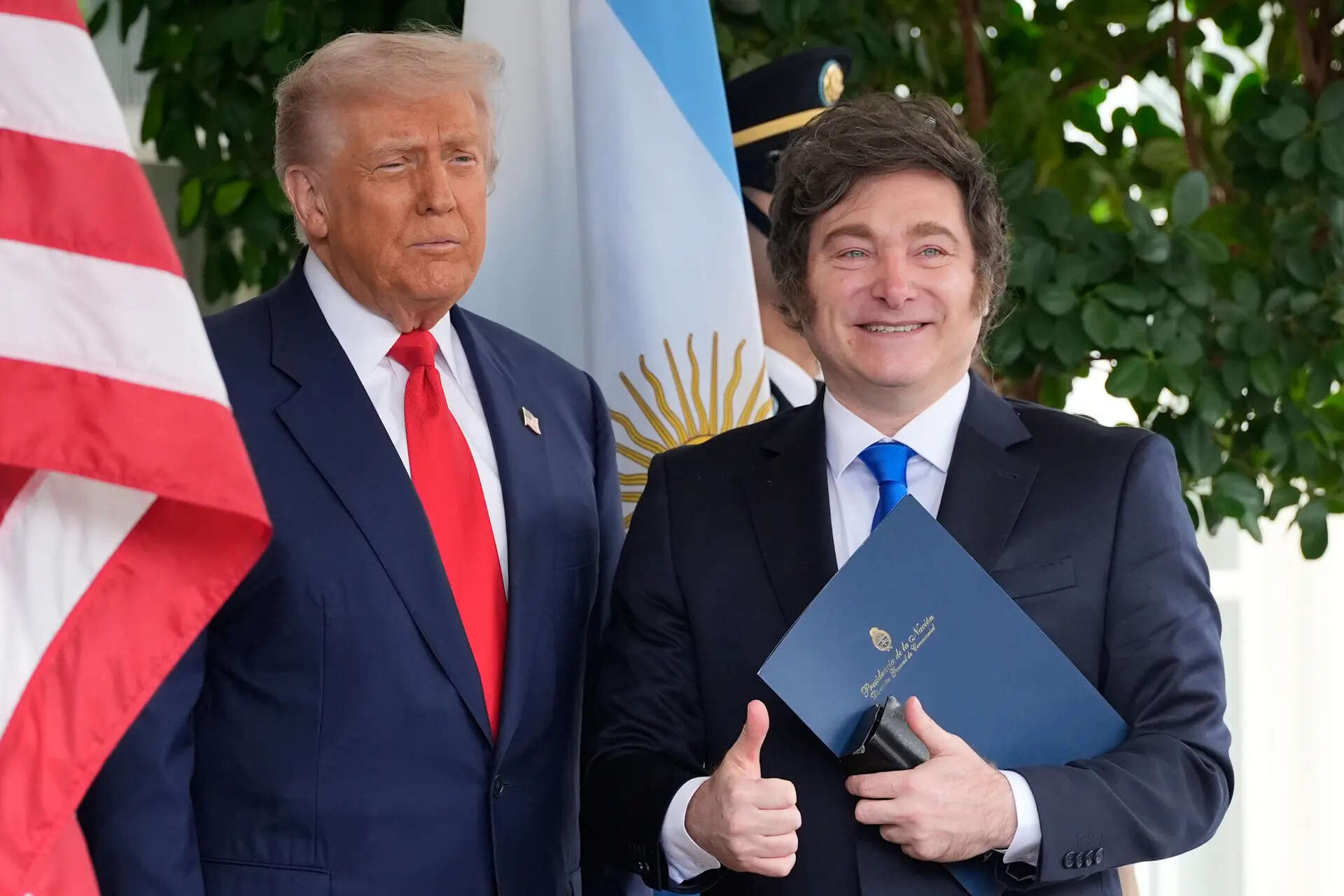
President Donald Trump greets Argentina’s President Javier Milei at the White House, Tuesday, Oct. 14, 2025, in Washington. (AP Photo/Alex Brandon)
He does so while portraying himself as an Argentine nationalist whose argument is that the only Left that works is Messi’s left foot.Football Twitter has naturally transferred Milei’s foreign policy to Lionel Messi and 25 other men who neither devised it nor necessarily support it. It has also projected its crudest generalisations on to the footballers, so one group now represents European immigration, Netanyahu and Nazis, while the other has become a symbol of immigration and diversity.Of course, any student of history would find it ironic that people are looking to the inheritors of one of the most barbaric colonial empires in human history to deliver karmic retribution.
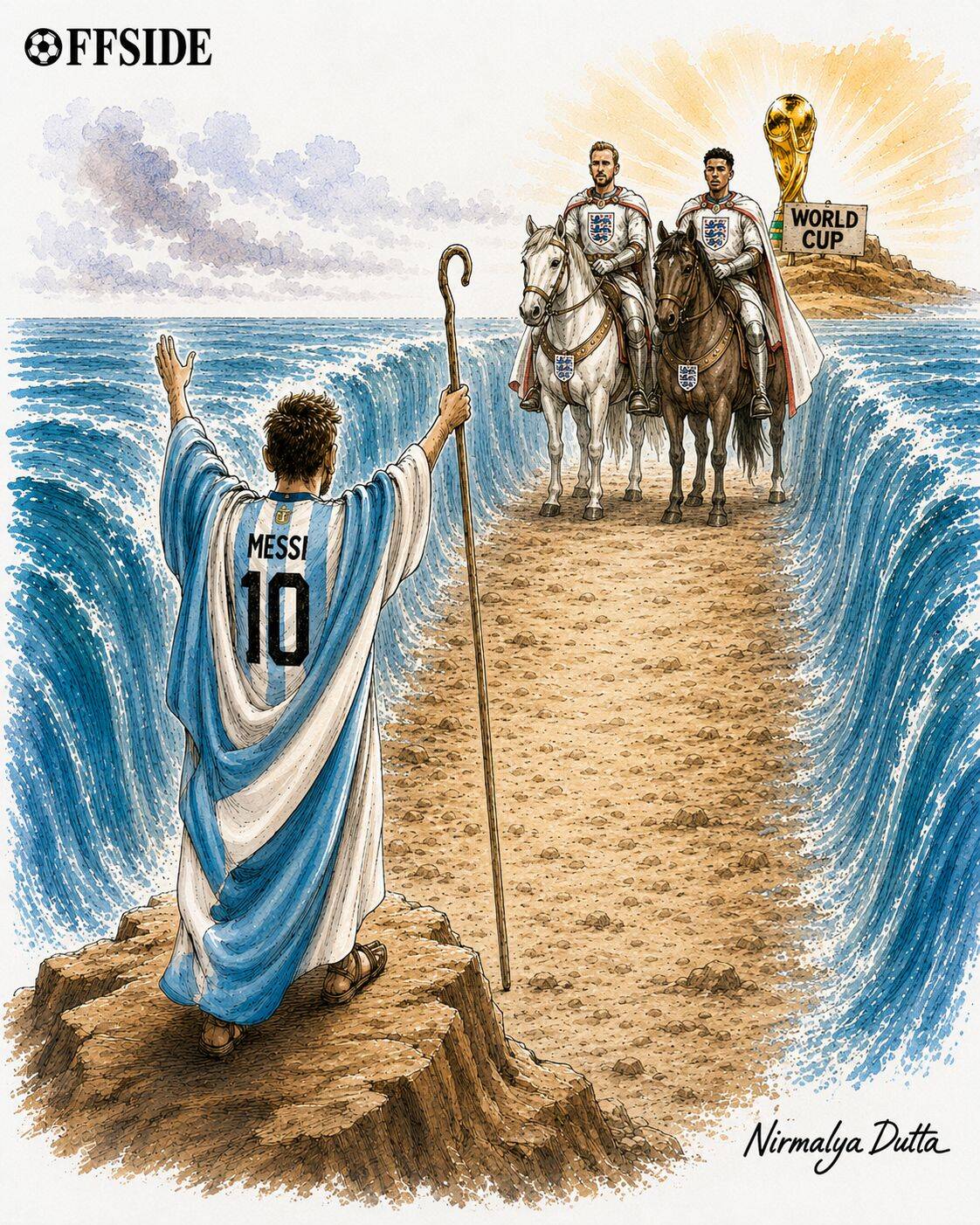
If one were to look past the veneer of British romanticism, one would find that the British Empire has its own vast charge sheet: massacres of unarmed civilians, the transportation and exploitation of enslaved people, engineered racial hierarchies, famines worsened by colonial policy and concentration camps during the South African War.The Nazis were defeated, and their crimes became the central moral horror of the 20th century. The British Empire dissolved gradually, allowing Britain greater control over the story of its retreat and consigning many of its crimes to darkness, except in the memories of those forced to bear witness to them.It was a public relations exercise par excellence whose logical culmination is the world cheering on England against Argentina.England vs Argentina was always more war than football. This time, the world has taken sides.