
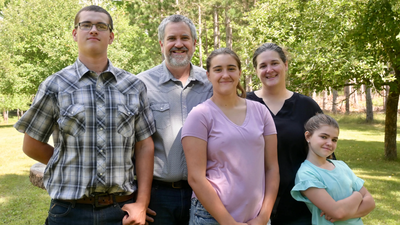
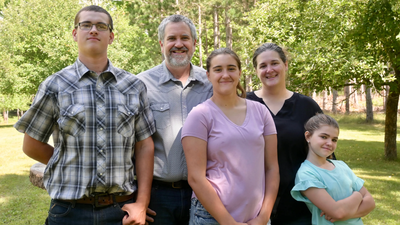
A forest can be both a source of timber and a home for wildlife when it is managed with conservation in mind. In Wisconsin, Jesse and Kylie Sebero are demonstrating how privately owned woodland can support economic activity while protecting natural habitats. The couple manages more than 500 acres of contiguous forest in Marinette County, balancing timber production with wildlife conservation. They also open their property to researchers and organise educational tours for landowners and forestry professionals.The Sand County Foundation announced on September 10, 2026, that the Seberos were among five finalists for the 2026 Wisconsin Leopold Conservation Award. The $10,000 award recognises farmers and forestland owners who make significant efforts to protect soil health, water quality and wildlife habitat while managing productive land. The foundation, which announced the shortlist, presents the award with national sponsor American Farmland Trust and state partners Wisconsin Farm Bureau Federation and Dairy Farmers of Wisconsin. The winner is scheduled to be announced on November 12.
How the Seberos manage their 500-acre forest
The Sebero Family Tree Farm in Porterfield, Marinette County, covers more than 500 acres of contiguous forest. Rather than focusing only on timber production, the family considers the ecological and economic value of each acre.According to the Sand County Foundation, the Seberos manage the quality of timber and wildlife habitat across their property to achieve its fullest potential. Their approach reflects an effort to maintain a productive forest while ensuring that it continues to provide suitable habitat for wildlife. The family also makes the woodland available for research projects and tours. They welcome landowners, timber professionals and conservation experts who want to learn about forest management and conservation practices.Jesse Sebero’s professional work further supports these efforts. He serves as a technical service provider for the US Department of Agriculture’s Natural Resources Conservation Service (NRCS). In this role, he has written 272 forestry plans covering thousands of acres of privately owned land. His experience in providing technical guidance, together with the family’s management of their own woodland, has made the Sebero property a place for research, learning and knowledge-sharing.
Four other families shortlisted for the award
The Seberos are competing with four other finalists whose conservation work focuses on farming, grazing, soil health and water protection. Andy Bensend of Dallas in Barron County has introduced cover crops, nutrient management and reduced tillage at AB Farms. Despite the shorter growing season in northern Wisconsin, he grows corn, soybeans and winter wheat while participating in research projects examining agricultural practices and soil health.The Brattset Family Farm in Jefferson County is managed by Weenonah Brattset and her daughter, Kirsten Jurcek. They have practised rotational grazing of beef cattle since 2005. Their work includes integrating cropland into perennial vegetation, improving soil health, water quality and biodiversity. They also work with the National Audubon Society to support grassland bird habitats and mentor other graziers.Jeff Endres, co-owner of Endres Berryridge Farms in Waunakee, Dane County, installed a manure composting facility to reduce the need for spreading manure during winter. He also founded the Yahara Pride farmer-led watershed group, which encourages farmers to adopt conservation practices and reduce phosphorus pollution in waterways.The Schoepp Family of Lodi, in Columbia and Sauk counties, uses no-till farming and diverse crop rotations to grow corn, soybeans, alfalfa and wheat. Their use of cover crops helps reduce soil erosion, improve soil structure and increase water infiltration. They also rotationally graze dairy heifers and beef cattle on cover crops.
What is the Leopold Conservation Award?
The Leopold Conservation Award is named after American conservationist Aldo Leopold, who promoted the idea of a land ethic in his influential 1949 book, A Sand County Almanac. His philosophy encouraged people to recognise their responsibility towards the land they own and manage. The award recognises farmers, ranchers and forestland owners who combine productive land management with efforts to improve the environment. Sand County Foundation and American Farmland Trust present the awards to private landowners across 28 states.In Wisconsin, the $10,000 award is presented with the support of the Wisconsin Farm Bureau Federation and Dairy Farmers of Wisconsin. An independent panel of agricultural and conservation leaders reviewed the applications and selected the five finalists. The first Wisconsin Leopold Conservation Award was presented in 2006 to woodland conservationist Gerry Mich of Appleton. The 2025 recipient was Michael Berg of Blanchardville in Lafayette County.The 2026 winner will be announced at the Wisconsin Board of Agriculture, Trade and Consumer Protection meeting on November 12. For the Seberos, the nomination highlights how privately managed forests can serve several purposes at once, providing timber, supporting wildlife and creating opportunities for research and education.