

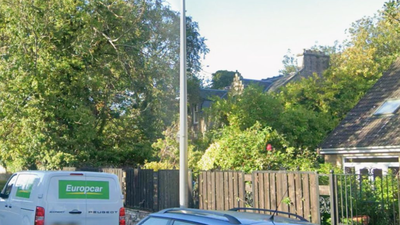
A property dispute in East Lothian, Scotland, has ended with a couple being ordered to reduce the height of a row of trees and shrubs after authorities ruled that the planting qualified as a high hedge under Scottish law. Professor Angus Macdonald and Dr Patricia Macdonald had challenged the order, arguing that their garden boundary consisted of 17 individual trees and shrubs rather than a hedge. However, a Scottish Government reporter upheld the council’s decision following an inspection of the properties. The case was reported by STV News and Midlothian View, with further details of Scotland’s high hedge legislation available through the Scottish Government.
How the dispute began
The disagreement arose at the couple’s property in Ashgrove, Musselburgh, which falls within the Musselburgh Conservation Area. Their neighbours approached East Lothian Council, complaining that the boundary vegetation was growing over their property, dropping leaves, berries and other debris, and significantly restricting their access to natural light.Following the complaint, East Lothian Council issued a High Hedge Notice requiring the couple to reduce the height of the planting. The Macdonalds challenged the decision before Scottish Ministers. Their appeal centred on the classification of the vegetation, maintaining that the boundary was made up of a varied collection of closely planted trees and shrubs rather than a conventional hedge.
Why officials rejected the appeal
The Scottish Government reporter visited the gardens before reaching a decision. Under Scotland’s High Hedges (Scotland) Act 2013, a high hedge can consist of a row of two or more trees or shrubs that exceeds two metres in height and forms a barrier to light.The legislation does not require the vegetation to consist of a single species or resemble a traditionally trimmed garden hedge. What matters is whether the planting meets the legal criteria and affects the reasonable enjoyment of neighbouring property.After examining the boundary, the reporter concluded that the trees and shrubs met the definition. The planting was found to restrict light and interfere with the neighbouring property’s reasonable enjoyment, supporting the council’s decision to issue the notice.
The couple’s argument for preserving the trees
The Macdonalds also argued that removing or substantially reducing the vegetation would affect the character and environmental value of their garden. They maintained that the trees and ivy made an important contribution to the appearance of Ashgrove, particularly because the property lies within a conservation area. Their appeal highlighted the practical benefits of the planting, including protection from extreme weather, improved air quality and shade during periods of high temperatures.They also pointed to the wildlife supported by the garden, citing more than 50 species of birds, over 10 species of butterflies and numerous bees and other pollinating insects. However, the reporter concluded that the planting could continue to provide environmental and visual benefits even after its height had been reduced.
What happens to the hedge now?
Under the council’s notice, the boundary planting must be cut back and maintained at a maximum height of 2.5 metres, approximately eight feet. The order does not cover every tree along the boundary. An ash tree and a willow tree, positioned at opposite ends of the boundary wall, have been excluded from the required trimming.The couple have also been given additional time to complete the work. The revised compliance period is intended to ensure that the trimming takes place outside the bird-nesting season. The decision brings the appeal to a close, although it highlights how Scottish legislation can apply to mixed rows of trees and shrubs, even when property owners do not consider the planting to be a hedge.