
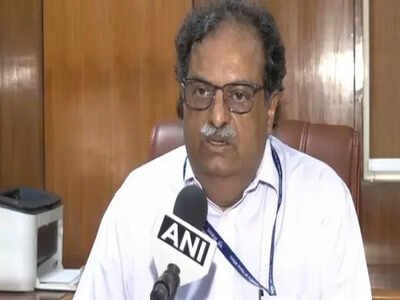
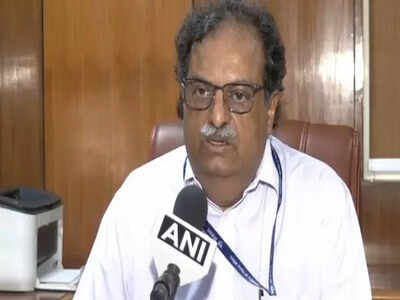
The National Medical Commission has approved, in principle, the integration of clinical research into the core medical curriculum across India, marking a significant shift in medical education policy.Dr Abhijat Sheth, Chairperson of the NMC and President of NBEMS, said the move would embed research training, assessment and curriculum delivery within mainstream clinical medicine.Clinical research to become core disciplineSpeaking about the rationale, Sheth said clinical research should no longer remain an optional or peripheral subject in medical education, but be integrated into everyday clinical practice and learning.He explained that the NMC would ensure not only curriculum inclusion, but also structured assessment and formal training in research methodologies for medical students at different stages.The chairperson said a dedicated committee would be formed with the ICMR, the Indian Institute of Science and Technology, IITs and senior medical experts to draft a detailed proposal.Collaboration with ICMR and IITsSheth told the ANI that the proposal would focus on large-scale implementation of clinical research training at both undergraduate and postgraduate levels, strengthening innovation and discovery within medical institutions.He added that the ICMR had expressed willingness to introduce new PhD programmes in clinical research, while several IITs and the Indian Institute of Science and Technology had conveyed similar interest.AI in medicine and ethicsAddressing the role of artificial intelligence in healthcare, Sheth cautioned against over-dependence, saying technology must not replace doctors or undermine clinical judgement and ethical values.In conversation with the ANI, he said the purpose behind the free AI course for doctors launched by NBEMS on December 30, 2025 was to build awareness among undergraduate and postgraduate trainees.He emphasised that while AI was a prominent and unavoidable inclusion in modern healthcare, medical education must ensure ethical standards and professional values remained uncompromised, he said, quoted by the ANI.Sheth also said the initiative would help build a sustained culture of clinical research among doctors, improving education quality and national capacity, adding that such reforms were essential for meeting contemporary healthcare challenges, according to comments shared with the ANI, during discussions on curriculum reform and long-term academic planning across medical institutions nationwide, under the evolving framework of regulatory oversight and structured collaboration.


