

Regulations meant to protect passengers have instead become a catalyst for passenger suffering. But let’s be clear: The rules are not the problem. The revised Flight Duty Time Limitations (FDTL) were announced well in advance
Picture a little girl asleep on a luggage trolley, her teddy tucked under her arm, airport lights too bright for midnight. Her flight was cancelled without warning. A few feet away, an elderly couple sits on a hard floor, exhaustion visible in their posture. Their medication is in a checked-in suitcase they can’t retrieve. A young woman stands alone, shoulders shaking silently, drafting an apology email to a new employer, she will not make her first day because the flight she paid for simply disappeared. These are not scenes from a disaster movie. This is India’s aviation reality today.
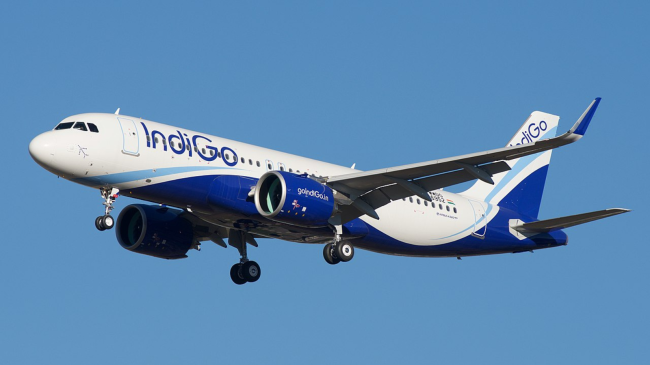
IndiGo, the airline that controls India’s domestic skies, has left thousands stranded as its network collapses under new pilot fatigue rules. The irony is painful: Regulations meant to protect passengers have instead become a catalyst for passenger suffering.
But let’s be clear: The rules are not the problem. The revised Flight Duty Time Limitations (FDTL) were announced well in advance, aimed at reducing pilot fatigue that can lead to deadly mistakes. Airlines had more than a year to prepare: Recruit, rebalance schedules, strengthen operations.
They didn’t.
A phased rollout gave Indigo even more time: First July 2025, then full enforcement from November 2025. Yet when the day arrived, IndiGo’s network collapsed. Instead of readiness, there was chaos. Instead of accountability, there were excuses. It is not just pilot fatigue but passenger safety too.
And what do passengers receive?A one-line message: “A refund has been processed.” Refund? To parents who booked emergency flights for a medical procedure? To travelers who paid 300 per cent higher prices for last-minute alternatives? To a student whose college admission or visa slot is now gone? A refund returns only the money you gave. A cancellation steals the life you planned.
The true cost of a failed flight cannot be measured in rupees — a job opportunity that won’t come again, a lost chance at treatment or recovery, or a family milestone left behind.
Passengers are not containers to be moved around, they are humans with lives that function on time, commitment, and care. The Indigo crisis is avoidable corporate negligence from a company that knows it is too big to be ignored. India is building world-class airports, expanding fleets, celebrating aviation growth. But true progress is measured not by how many planes take off, but by how airlines treat the people who board them.
IndiGo’s meltdown has exposed a harsh truth: In our current system, passengers absorb the damage while companies walk away. Indians deserve more than apologies and automated messages. They deserve accountability.