
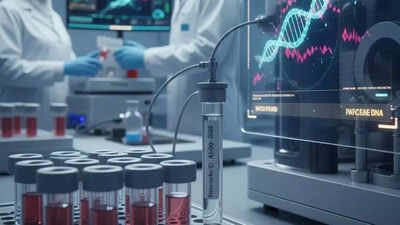

Abu Dhabi is once again setting a global benchmark in healthcare. The Department of Health (DoH) and the Abu Dhabi Public Health Centre (ADPHC) have officially introduced a revolutionary Multi-Cancer Early Detection (MCED) blood test. This isn’t just another medical check-up; it is a sophisticated “liquid biopsy” that can spot the early biological fingerprints of over 50 different types of cancer from a single tube of blood.For years, the medical world has struggled to screen for “silent killers”, cancers like those in the pancreas, liver, and brain, which often show no symptoms until it is too late. By identifying fragments of cancer DNA circulating in the bloodstream, this test provides a window into the body’s health that traditional scans might miss, catching tumors when they are most treatable.
How do blood tests detect cancer?
The newly introduced test works by identifying cancer-related biological markers circulating in the blood. Unlike traditional screenings, which usually target one cancer at a time, this test can detect dozens of cancers in a single sample, including types that currently have no standard screening methods, such as pancreatic, gastric and certain brain cancers.From a healthcare-system perspective, this is a major accomplishment. It reduces the need for multiple invasive procedures, lowers patient hesitation around screening, and makes early detection far more accessible. The test requires no fasting, no preparation and no hospital admission, making it suitable for integration into routine health check-ups.Doctors involved in the programme have emphasised that this approach removes many of the psychological and practical barriers that prevent people from getting screened in the first place, a key reason cancers are often detected too late.
The rollout
The Department of Health is rolling out this technology with a specific focus on those who need it most. The service is being integrated into the existing IFHAS program, which is Abu Dhabi’s comprehensive health screening initiative for residents.
- Age and Risk: The test is primarily aimed at residents aged 40 and above. It is particularly recommended for those with a family history of cancer or those who have missed traditional screenings.
- Location: You can access the test at major healthcare hubs, including facilities operated by Ambulatory Healthcare Services (AHS) and the M42 healthcare network. This covers clinics across Abu Dhabi city, Al Ain, and the Al Dhafra region.
- Complimentary Use: It is important to note that this test is meant to complement traditional screenings (like papsmears or mammograms), providing an extra layer of security for cancers that don’t have standard screening methods.
Cost
The test is currently priced between AED 7,000 and AED 8,000, reflecting the advanced technology behind it. While not positioned as a mass free screening yet, health experts note that detecting multiple cancers through a single test can be more cost-effective over time than multiple separate investigations and late-stage treatments.More importantly, the rollout sends a strong signal about the future direction of healthcare in the UAE, one that prioritises early intervention, data-driven diagnostics and patient-friendly solutions. As similar technologies continue to evolve globally, Abu Dhabi’s early adoption places it among regions leading the transition toward next-generation preventive medicine.
Why does this matter?
This initiative is not just about a new test, it represents an institutional achievement. Abu Dhabi has demonstrated how advanced science, policy support and healthcare infrastructure can come together to address one of the world’s deadliest diseases more effectively.By making early cancer detection simpler and more accessible, the emirate has taken a decisive step toward saving lives before they reach hospital wards, a true measure of progress in modern healthcare.