


As Ramadan 2026 approaches, with the holy month expected to begin around February 18, 2026, residents and visitors in Dubai and across the UAE are preparing for not just spiritual observance but a series of practical changes to daily routines. From adjusted Salik (toll) timings and paid parking rules to reduced working and school hours, these changes aim to reflect the rhythm of the fasting month and ease life for people navigating busy streets and schedules.Ramadan, observed by Muslims across the world as a month of fasting, prayer, reflection and community, also influences how cities operate, particularly in Muslim-majority countries like the UAE. In Dubai, the government has historically aligned services, traffic rules and public sector hours to help residents observe the fast and maintain a balanced work–life flow.
Salik toll timings in Dubai: More flexibility for Ramadan 2026 roads
One of the biggest concerns for motorists is how Salik tolls are applied during Ramadan. Salik, Dubai’s electronic road toll system, uses variable toll rates to manage traffic flow throughout the day. Normally, Salik charges Dh6 during peak periods and Dh4 during off-peak hours, with a toll-free window at night.
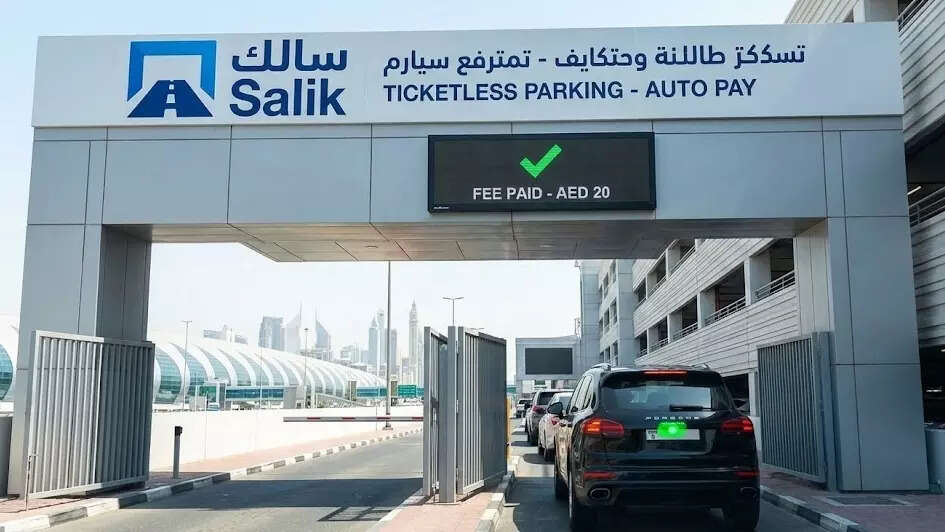
Salik Goes Easy This Ramadan: New Toll Timings Every Dubai Driver Should Bookmark
During Ramadan 2026, Salik timings are adjusted to match shorter business hours and different travel patterns. The adjusted schedule is intended to ease congestion during the day when many people commute before Iftar (the sunset meal) or mid-day. Under the Ramadan toll schedule:
- Dh6 peak rate applies from 9 am to 5 pm Monday to Saturday, reflecting the day’s priority traffic.
- Dh4 off-peak rate applies from 7 am to 9 am and 5 pm to 2 am, giving drivers some relief before and after core work hours.
- Toll-free window shifts to 2 am to 7 am, allowing late-night and early-morning travel for
Suhoor or overnight commuters without charges. - On Sundays, the Dh4 rate is applied from 7 am to 2 am, with free travel continuing between 2 am and 7 am.
These shifts in Salik timings reflect both Ramadan’s daytime fasting hours and the desire to spread out traffic into more manageable periods, while still encouraging residents to avoid peak congestion where possible.
Dubai public parking rules and hours for Ramadan 2026: Less pressure, smarter timings
Public parking in Dubai also sees adjustments during Ramadan. Under the Roads and Transport Authority (RTA) framework, paid parking is usually enforced from 8 am to 10 pm throughout the year. But during Ramadan, authorities often revise these hours to reduce daytime costs and highlight evening economic activity when families go out after breaking their fast.In recent years, Dubai’s largest public parking operator, Parkinhas, has adopted variable parking rates that distinguish between peak and off-peak hours, similar to Salik tolls. Peak public parking typically costs Dh6 per hour, with off-peak rates remaining at standard levels. However, multi-storey parking facilities continue to operate 24/7 and charge around the clock, making them useful options for residents and visitors alike.During Ramadan, past adjustments have included split paid parking periods (such as 8 am to 6 pm and 8 pm to midnight) with free parking between those slots. These changes help reduce daytime parking charges, a nod to lighter daytime movement, while still supporting evening economic activity after Iftar. Road signs and local PARKONIC systems also indicate any unique timings or fees for specific areas, so drivers are urged to check posted instructions carefully to avoid fines.
Dubai working hours in Ramadan 2026: Less time, more balance
Ramadan in the UAE also affects how and when people work. The Ministry of Human Resources and Emiratisation (MoHRE) mandates reduced working hours for private-sector employees, shaving two hours off the standard daily schedule regardless of religion. This change is aimed at helping workers return home in time for Iftar and to mark the spiritual rhythms of the day.

Ramadan 2026: New Office Hours, School Timings and Commute Rules Announced
In the federal government sector, work hours are typically adjusted to 9 am–2:30 pm from Monday to Thursday and 9 am–12 noon on Fridays, shorter days that reflect both operational practicalities and Ramadan observance. Many government entities also allow flexible or remote work arrangements, particularly on Fridays, to support employees’ prayer times and family needs.Private companies often follow similar reductions, with many workplaces offering condensed schedules or shift variations to accommodate fasting employees’ energy levels. Some firms also offer optional remote work for roles that permit it, a trend that has grown since the pandemic but finds renewed relevance in Ramadan’s context.
Schools and education: Shorter days for learners in Dubai during Ramadan 2026
For families, school schedules also shift during Ramadan. Across the UAE, schools typically operate for a maximum of five hours per day, trimming down from regular routines to support students and staff participating in the fast. While the exact hours may vary by school, most aim to complete classes early so students can be home well before midday.On Fridays, which include the congregational Jumu’ah prayer, school days often end around 11:30 am, aligning with updated prayer times and allowing students and families to honour the spiritual practices of the day. Parents are advised to confirm specific timings with their children’s schools, as individual institutions may tweak schedules based on logistics and community needs.
Dubai fasting hours: A noticeable change in Ramadan 2026
Ramadan’s fasting period, the time between dawn (Suhoor) and sunset (Iftar), changes year by year because the month follows the lunar Hijri calendar. In 2026, Ramadan arrives earlier in the Gregorian calendar than in recent years, resulting in shorter daylight fasting hours in the UAE compared with earlier years when the holy month fell closer to summer. The lunar calendar is about 10–11 days shorter than the solar (Gregorian) calendar, causing Ramadan to shift forward annually.Shorter fasting hours generally make it easier for both residents and visitors to observe the fast and engage in daytime activities, schools and workplaces without excessive strain, a change many in the community welcome. It also means more daylight time after Iftar for social, family and cultural activities that define the spirit of Ramadan in the Emirates.Taken together, the Ramadan 2026 adjustments to Salik tolls, parking, working hours and school schedules paint a clear picture: Dubai is adapting to the unique rhythm of the holy month while balancing practicality with tradition. These changes support both Muslims observing the fast and non-fasting residents and visitors navigating daily life in a city that blends cosmopolitan living with deep cultural roots.For motorists, planning ahead is key. Knowing when Salik is free or cheaper, understanding adjusted parking times and checking signage in PARKONIC zones can help avoid fines and make travel smoother. For workers and students alike, flexible schedules and reduced hours help ensure that daily commitments can be met without sacrificing the spiritual and communal essence of Ramadan.Whether you are a long-time resident, a new arrival or a visitor eager to experience Ramadan evenings full of iftar feasts, community gatherings and evening markets, these adjustments help make life in Dubai during the holy month more manageable and respectful of both cultural practices and everyday needs.
Tips for navigating Ramadan 2026 in Dubai
Here are a few practical tips as the holy month approaches:
- Plan travel outside peak Salik hours where possible to save money and avoid congestion.
- Check parking signage carefully, especially in PARKONIC zones with unique rules.
- Confirm work and school schedules early, as institutions may publish precise times closer to Ramadan.
- Enjoy the evening ambience. Dubai’s lively Ramadan markets, iftar tents and cultural events make it a unique time to explore the city.
With its mix of tradition, convenience and community focus, Ramadan in Dubai continues to be both spiritually meaningful and logistically thoughtful, a balance that residents and visitors can appreciate as the holy month unfolds.