
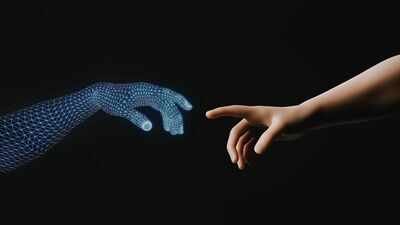
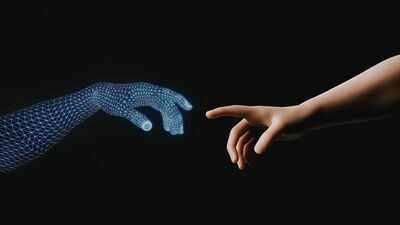
The word ‘human’ has been named Cambridge Dictionary’s Word of the Year for 2026, mirroring growing concerns about the influence of artificial intelligence (AI) and the changing relationship between people and machines. The choice comes at a time when advances in AI have raised questions about human creativity, intelligence, identity and the extent to which people should rely on technology.Cambridge Dictionary announced its choice on Wednesday, November 18. It defines ‘human’ as “having the qualities, faults, and feelings that people have, as opposed to gods, animals, or machines”.Explaining the decision, the dictionary said that 2026 had been marked by global discussions about what it means to be human as AI continues to blur the boundaries between people and machines. The growing ability of AI tools to produce human-like content, imitate voices and generate realistic images has also brought renewed attention to the distinction between human-created and machine-generated work.
Why did Cambridge Dictionary choose ‘human’ as Word of the Year 2026 ?
The selection mirrors a wider debate about what people stand to lose as AI becomes increasingly capable of performing tasks traditionally associated with human intelligence.Cambridge Dictionary pointed to public discussions involving prominent figures, including AI pioneer and Nobel laureate Geoffrey Hinton. Speaking about the development of artificial intelligence, Hinton said: “We’re creating alien beings. I’m willing to be selfish and choose humans.”The statement shows concerns about the pace of AI development and the possible consequences of creating systems that can perform increasingly complex tasks.Cambridge Dictionary also referred to the growing use of AI-generated deepfakes, which can imitate people’s faces and voices. Such technology has raised concerns about identity, consent and the unauthorised use of someone’s likeness.Actors and musicians have also taken steps to protect their identities from digital imitation. Matthew McConaughey and Taylor Swift are among the celebrities who have used trademark protections to safeguard aspects of their images and voices.
AI is changing how people define human identity
Cambridge Dictionary lexicographer Colin McIntosh said that developments in AI have changed the way people discuss human qualities and the distinction between human and machine-generated work.“AI is changing how we talk about being human,” McIntosh said.He also pointed to the increased use of compound expressions such as ‘human-made’, which distinguish work created by people from material produced by artificial intelligence.According to McIntosh, the renewed interest in the meaning of being human was central to the dictionary’s decision. He said this interest had captured the zeitgeist, making the word a fitting choice for 2026.The choice also comes amid discussions about the future of work, education and creative industries. As AI tools become more common, questions are being raised about whether people could begin relying on machines for tasks that require independent thinking, judgement and creativity.
Cambridge Dictionary adds ‘air jail’, ‘aura farming’ and ‘looksmaxxing’
Along with announcing its Word of the Year, Cambridge Dictionary revealed several new words and expressions added to its dictionary in 2026. The additions include phrases that have gained attention through social media and changing online behaviour.Some of the notable additions are:
- Air jail: A method of trying to train an animal, especially a dog, by holding it off the ground for some time when it displays aggressive or other unwanted behaviour.
- Aura farming: The activity of doing things with the intention of developing a personality that others admire and find attractive or interesting.
- Looksmaxxing: The activity of trying to make oneself as physically attractive as possible. The term is particularly associated with social media discussions among young men.