
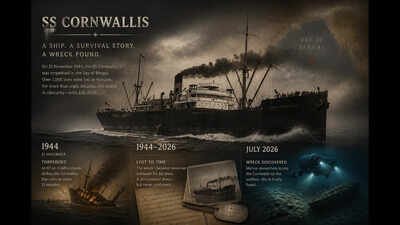
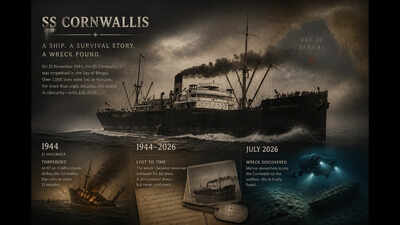
In a world where miles feel like inches, almost everybody is connected to each other. The whole world has become one village; yet the ocean floor still remains one of the most mysterious places for scientists. You’d be surprised to know that scientists now know more about outer space than they do about the ocean floor.The ocean has a way of holding on to secrets, sometimes for decades and even centuries. Beneath its vast surface lie the remains of ships that once carried people, cargo and stories, many of which were never meant to be forgotten. One such story dates back to the Second World War, when a German submarine torpedoed a Canadian merchant ship off the coast of Maine, sending it beneath the waves in a matter of minutes.On December 3, 1944, the SS Cornwallis was travelling along the Maine coast when it was struck by a torpedo fired by German submarine U-1230. Of the 48 people aboard, only five survived. For more than 80 years, the ship’s final resting place remained a mystery. However, in July 2026, a team of divers finally located the wreck, nearly 400 feet beneath the surface, bringing a decades-old search to an end.
What happened to the SS Cornwallis in 1944?
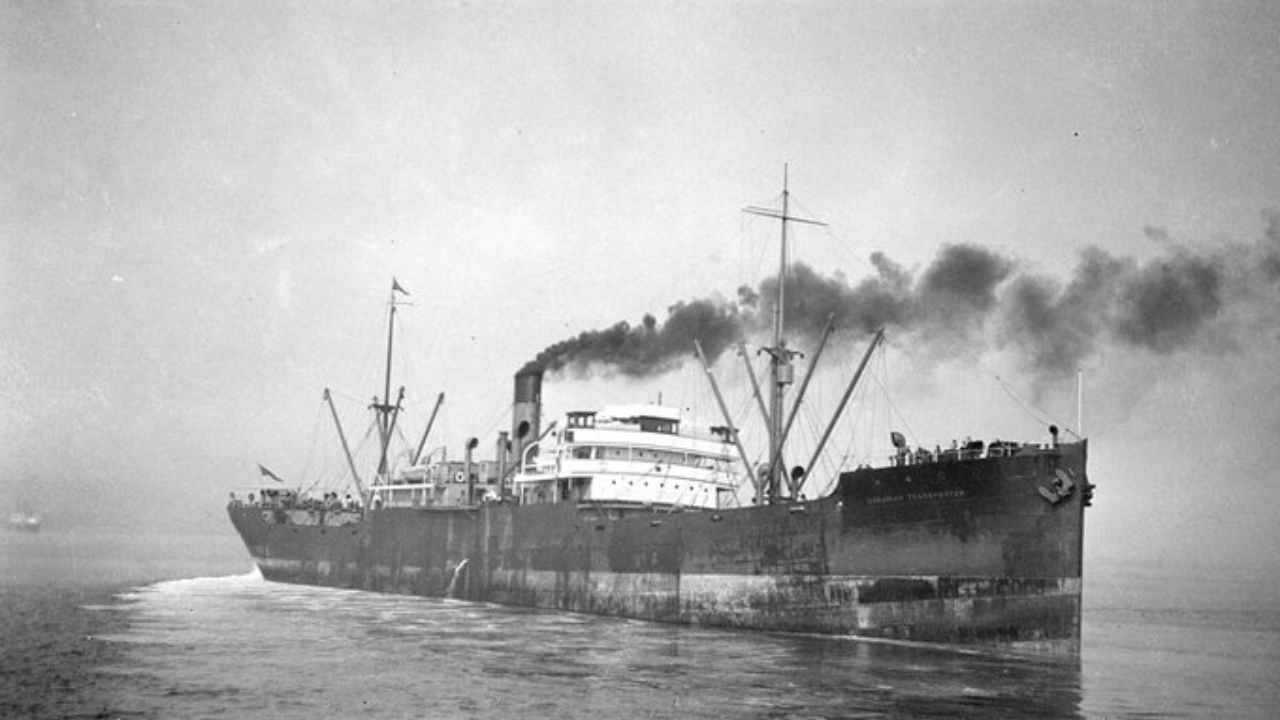
German U-boat sank the SS Cornwallis off Maine, killing 43 sailors
Imagine being aboard a ship, sailing across the Atlantic, with the journey almost nearing its end. The crew had no reason to believe that this ordinary voyage would turn into a tragedy. The SS Cornwallis had left Barbados on November 20, 1944, carrying bags of sugar and barrels of molasses, and was heading towards Saint John, New Brunswick. However, as the ship travelled along the New England coast on December 3, it encountered a German submarine, U-1230.Commanded by Hans Hilbig, the submarine fired a torpedo that struck the forward section of the Cornwallis. The impact was devastating, and the ship began sinking by the bow, disappearing beneath the water in less than 10 minutes.As per the Canadian Virtual War Memorial, out of the 48 people aboard, six managed to escape in a lifeboat. Although they were eventually rescued by a fishing boat, one of them died from hypothermia. In the devastating attack, only five survived, while 43 people lost their lives.
How did the dive team finally locate the wreck after seven years?
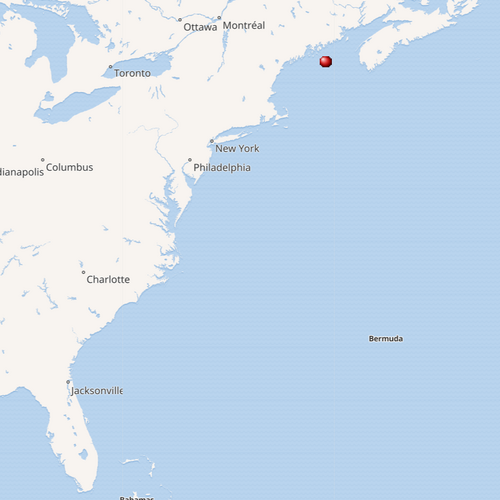
Location of the sinking of SS Cornwallis
Finding a shipwreck that has remained lost for more than eight decades is no easy task, especially when it lies hundreds of feet beneath the ocean. For the Nomad Exploration Team, the search for the SS Cornwallis began in 2019 and involved years of research, multiple expeditions and hours spent studying historical records.The team first narrowed down three possible locations using historical records, including the coordinates from the ship’s distress call, reports of debris spotted from the air and the location where fishermen had rescued the survivors. They also studied historical weather conditions, tide charts and the ship’s blueprints to understand where it might have gone down. Over five expeditions, the divers scanned more than 50 square miles of the ocean floor.However, the discovery almost slipped through their hands. On July 11, 2026, during their fifth search expedition, the team was scanning the final stretch of a search grid when the shipwreck appeared on their sonar. They had actually passed close to the wreck once before without recognising it. This time, a more sophisticated side-scan sonar device helped them capture a clearer image of the vessel.But a sonar image alone was not enough to establish its identity. The divers eventually descended nearly 400 feet beneath the surface to examine the wreck themselves. By comparing the remains with the original blueprints of the SS Cornwallis, they confirmed that they had finally found the missing ship.
What makes the discovery of the SS Cornwallis historically significant?
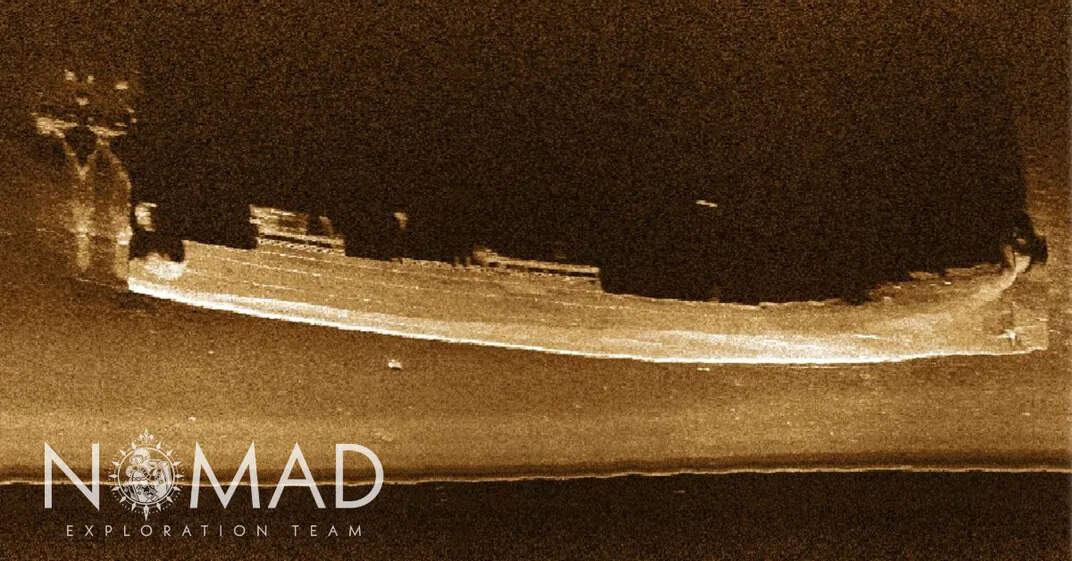
SS COrnwallis (Image courtesy- Nomad Exploration team – official)
The discovery is particularly significant because the sinking of the SS Cornwallis was connected to a wider German operation along the American coast. Just four days before the attack, German submarine U-1230 had landed two German spies, Erich Gimpel and William Colepaugh, in Maine. The discovery of the wreck therefore brings renewed attention to an important chapter of the Second World War and helps researchers understand the maritime history of the region.The ocean floor is perhaps one of the few places where history can remain untouched for generations, waiting to be discovered. The finding of the SS Cornwallis is not simply about locating a sunken ship; it is also about bringing back a story that had remained beneath the waves for more than eight decades. While the wreck may have finally been found, the 43 people who lost their lives remain an important part of its history. Sometimes, discovering the past is also a way of ensuring that it is not forgotten.