Two brothers from Bristol have won international recognition for developing a portable Braille printer that can be built for around £100, offering a more affordable way to produce printed material for blind and partially sighted people. Tom Hunt, 19, and his younger brother Felix, 16, created the device, called BrailleGo!, after becoming aware of the difficulties people and organisations face in accessing Braille documents. Their grandfather, a Yorkshire-born engineer who contributed to the early development of the Jodrell Bank Observatory, lost his sight in his sixties, helping inspire their work. The brothers received the Best Start-Up Idea award at the 2026 World Robot Olympiad European Open Championship in Zagreb, Croatia. They now plan to release the printer’s design files, code and assembly instructions as an open-source project.
How two Bristol brothers built a £100 Braille printer
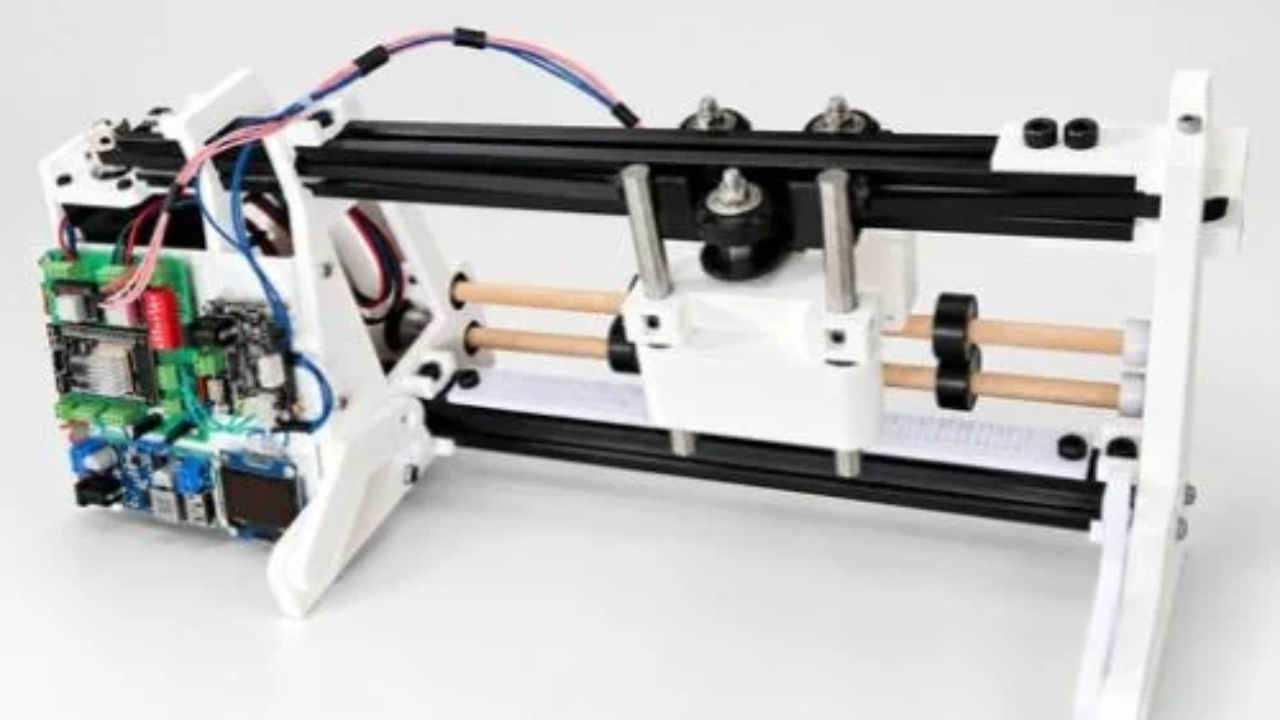
BrailleGo! is a compact device designed to produce short-run Braille documents, including children’s books, museum guides, public information leaflets and meeting agendas. The brothers developed it under the team name Hunt Robotics, using readily available components and 3D-printed parts to keep the cost down.Commercial Braille embossers can cost more than £1,000 and may be bulky, making them difficult to access for individuals and smaller organisations with limited budgets. By contrast, the brothers estimate that BrailleGo! can be built for around £100.The printer is intended to address situations in which only a small number of Braille copies are needed. Rather than relying on expensive equipment for every printing requirement, organisations could potentially use a more affordable device to produce material for specific events, activities or visitors.
Their grandfather’s experience helped shape the idea
The brothers’ grandfather was an engineer from Yorkshire who contributed to the early development of the Jodrell Bank Observatory. He lost his sight in his sixties, giving the family a personal connection to the challenges faced by people living with sight loss.Their mother’s volunteering with the Royal National Institute of Blind People (RNIB) also helped Tom and Felix understand the difficulties people and organisations can encounter when trying to access printed Braille material.These experiences encouraged them to explore how engineering could help make such resources more accessible. Their aim was not simply to build a working printer, but to develop one that people could reproduce without needing to invest in expensive specialist equipment.
International recognition at the World Robot Olympiad
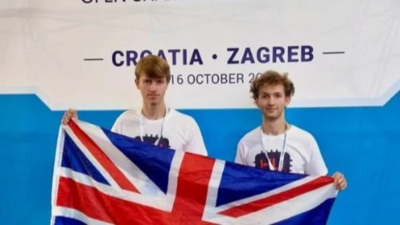
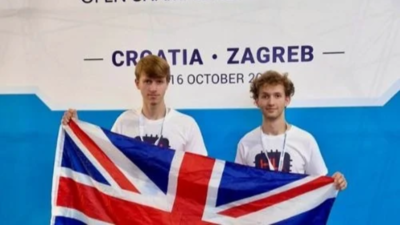
The brothers represented the UK at the 2026 World Robot Olympiad European Open Championship, held in Zagreb, Croatia, in October. Their project received the competition’s Best Start-Up Idea prize.BrailleGo! also placed second in the Senior Future Innovators category, according to the competition’s results. The event brought together 220 national-winning teams from 45 countries under the theme Robots Meet Culture, which challenged participants to explore how technology could improve access to arts, heritage and cultural experiences.The judging panel praised the printer’s technical quality, including its 3D design and electronics, as well as the brothers’ teamwork and focus on a real-world problem. Judges also noted that the pair had developed the device independently, without support from a coding or maker club.For Tom, who began studying Design Engineering at the University of Bristol in September, the recognition marked an important moment in a project that involved designing and building a machine capable of producing readable Braille.
Why the brothers want to make the design free
Instead of focusing on commercialising BrailleGo!, Tom and Felix plan to make its code, design files and assembly instructions freely available as an open-source project. This would allow people in different communities to build the printer, adapt it to their needs and potentially improve the design.Making the plans available could help extend the idea beyond the brothers’ own project, giving schools, community groups and organisations supporting people with sight loss an opportunity to explore a lower-cost approach to Braille printing.Tom said he hoped others would build on their work once the designs were shared. His younger brother Felix described the competition in Croatia as an opportunity to meet teams from around the world and learn from their projects, adding that building the printer had taught him about engineering, problem-solving and teamwork.Eleanor Southwood, director of impact and external affairs at sight-loss charity Fight for Sight, praised the concept, highlighting the potential uses of an affordable, portable printer for producing smaller quantities of Braille material.