
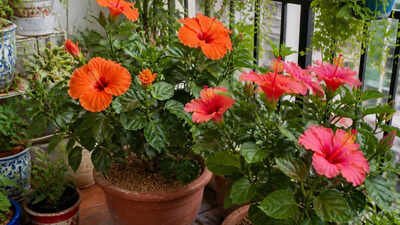
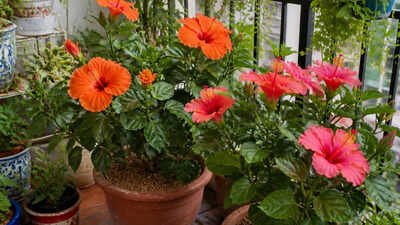
How homes look can say a lot about our personalities; especially your home garden, as the choices you make with some plants to grow can indicate much about yourself. The hibiscus plant has long been a popular choice for a home garden. The pop of red can add character to your garden alongside other plants. Hibiscus flowers attracts pollinators that can help other plants too; it also has health benefits and can be used as a great antioxidant in tea.So, if you plan to grow Hibiscus at home, here are some steps to keep in mind:
Type of pot
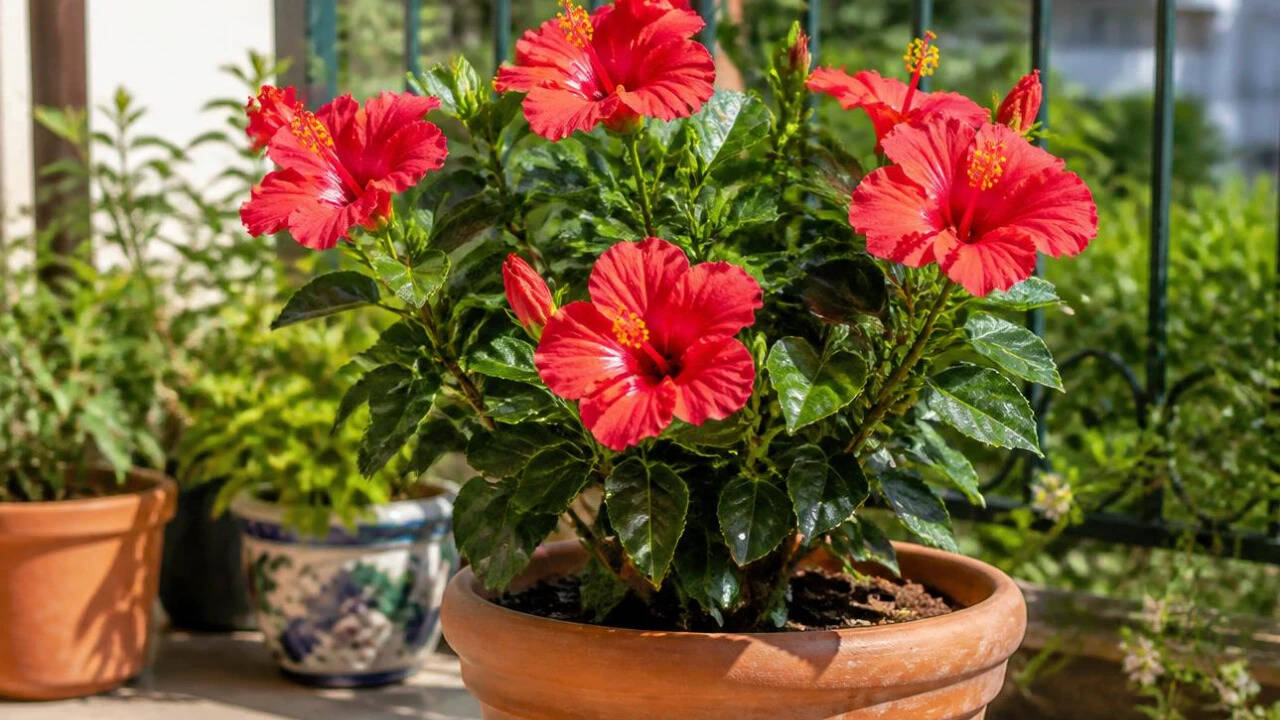
The environment, especially the pot within which the hibiscus plant grows, determines its blossoming. A terracotta pot with a minimum of 10-12 inches diameter pot for young plants, ensures the plant’s roots will have the space to grow. While ceramic pots make for an attractive pot to keep on your balcony, terracotta pots’ porous quality allows for easy drainage of water to ensure soil health.
(Image credit-Canva AI)
Soil mix
The second step to growing and ensuring the right flowering of the plant requires a different type of soil mix than that used for most other potted plants. Hibiscus grows in soil with a specific pH, between 6.0-7.0, that is slightly acidic, loose and easy to drain. The use of mulch is often recommended for its growth to help retain moisture in the soil.
Fertiliser
Hibiscus flowers need the key nutrient potassium for their growth, so fertilisers can be useful. A granulated fertiliser that is especially high in potassium can help support its luscious foliage. Fertilisers are also a convenient option, as they reduce the maintenance needed in growing the plant and ensure the plant is fed consistently.
Sunlight
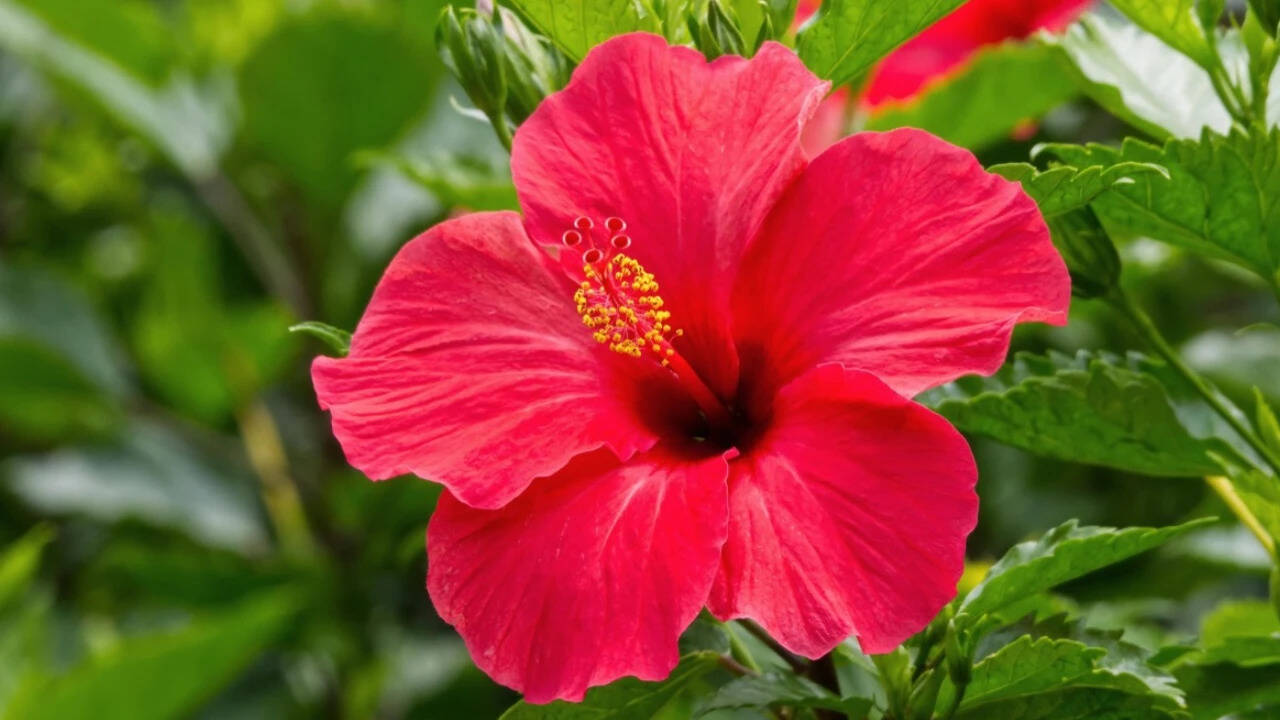
Plant needs sunlight to grow. However, depending on where you live or the environment in which it is growing, in places where the sunlight can be a little more direct or harsh, the hibiscus plant, though requiring immense sunlight, may be unable to tolerate it and would require a slightly more shaded area without cutting off any source of light.
(Image credit – Canva)
Water
All hibiscus plants demand a good quantity of water, and they certainly show it. A hibiscus flower that droops or sheds its buds often indicates that it is thirsty and needs to be watered. To ensure adequate watering, keep a chopstick or any other small stick, or insert a finger, 2 cm deep into the soil to tell whether the soil feels damp or dry. If the soil feels dry avoid watering, if it feels dry water it. Also, it is best to water the plant in the morning, enough for the soil to remain moist even through a long, hot day.
Pruning
A hibiscus flower’s bloom is decided not only by the day-to-day care it requires but also by the annual pruning it needs. Around winter or in early spring, as new growth begins to appear, use a clean, sharp pair of shears to prune nearly one-third of the branch length. Pruning allows for better access to sunlight by cutting dense branches and making space for new ones. It also ensures the plant does not become long-stemmed.
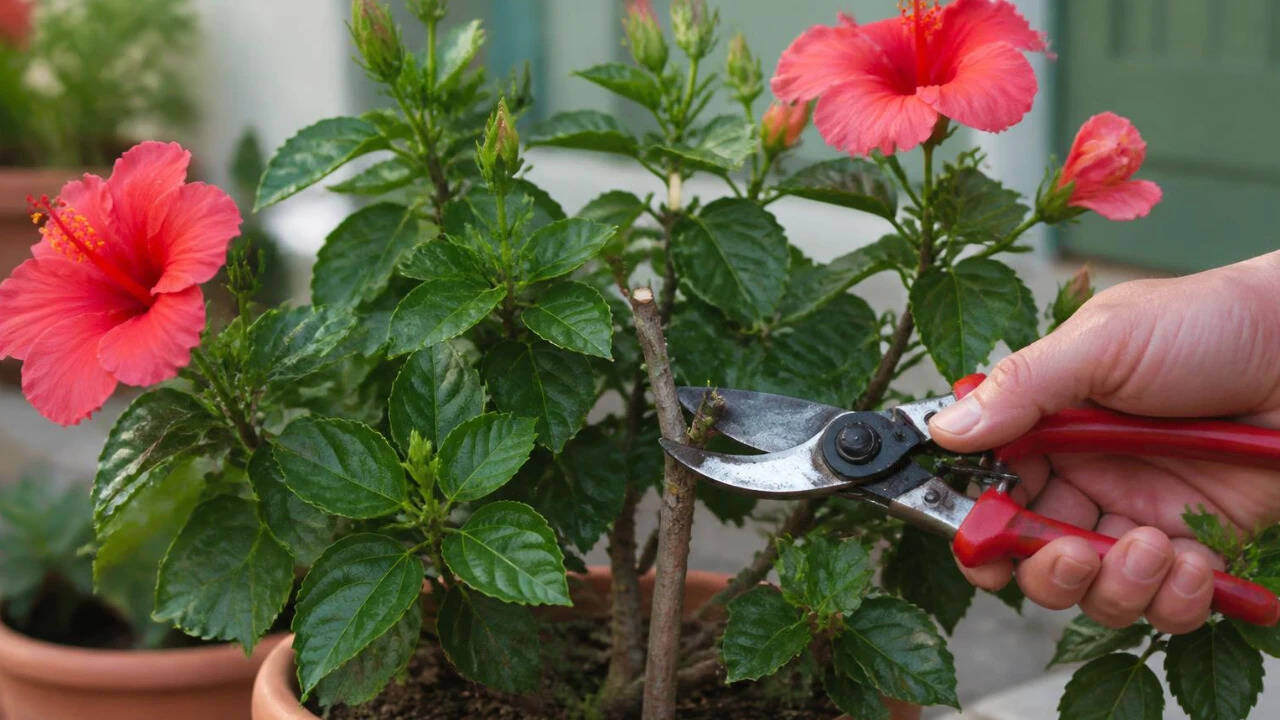
(Image credit- Canva AI)
Growing a hibiscus in your balcony pot can bring an exciting charm to your home garden, especially when it blossoms well. While regular watering, feeding and the amount of sunlight are undoubtedly essential, the specific requirements can differ based on the species of hibiscus you are growing. For this reason, it becomes crucial to check with your nursery for the perfect growing and care tips for hibiscus flowers. With the right care and attention to these six essentials, you can help your hibiscus plant bloom regularly and bring colour to your balcony garden.