
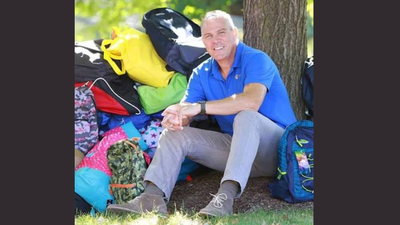
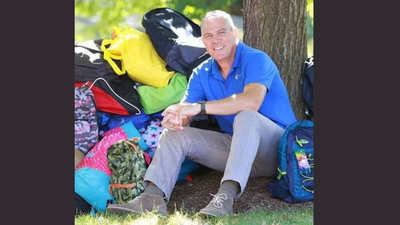
A simple effort around a dining table, started in 2013 to protect the dignity of children entering foster care, has grown into an international charity that has provided essential items to hundreds of thousands of young people. Rob Scheer began packing backpacks at home after seeing his newly adopted foster children arrive carrying their belongings in black plastic rubbish bags. Scheer remembered his own childhood in the foster care system and decided to end the practice by starting Comfort Cases. According to official impact figures from Comfort Cases, the nonprofit has distributed more than 300,000 Comfort Cases and Comfort XL duffel bags to children in foster care across all 50 US states, Washington, D.C., Puerto Rico and the United Kingdom. Comfort Cases says its first Packing Party took place in December 2013.
Childhood memories trigger community action
Scheer grew up in the American foster care system during the 1970s. When he aged out at 18, he was given a black trash bag containing his few belongings and had to begin adult life on his own. Comfort Cases says he had also carried a trash bag when he first entered foster care. Years later, after marrying his husband Reece and choosing to build a family through foster adoption, Scheer saw the same thing happen again. Their adopted children arrived at their home carrying their clothes and belongings in plastic trash bags. Comfort Cases says Rob and Reece were shocked that the practice was still common decades after Rob had experienced it himself. The experience pushed Scheer to act. He brought his family together at their dining room table in Maryland and began packing backpacks with basic care items for children in foster care. The first community Packing Party was held in December 2013, and Comfort Cases was soon established as an official 501(c)(3) nonprofit. In background information published by Comfort Cases, Scheer explains that children should not have to carry their belongings in something meant for trash. The charity’s goal is to replace those bags with new backpacks and duffel bags that children can keep as their own.
What goes inside a comfort case
Social workers may need to move children between homes with little warning, sometimes during the night. Comfort Cases was created to give children their own bags and basic items when they enter foster care. The charity provides bags for children of different ages, from babies through young adults. Its cases are filled with new items meant to provide comfort and basic personal care.According to information published by Comfort Cases, a typical case includes:
- A brand-new backpack or small duffel bag
- New pajamas, from infant sizes through adult sizes
- A new fleece blanket
- Personal care items, including a toothbrush, toothpaste, shampoo, soap and other toiletries
- A new book or activity book suited to the child’s age
- A stuffed animal for younger children
- A journal for older children
Comfort Cases says its items are new. Its current materials describe the bags as containing brand-new essentials, including pajamas, toiletries, toothbrushes and toothpaste, books or activities, journals, stuffed animals and blankets. The goal is to help children feel that their belongings matter and that they have something that belongs to them. The charity’s materials emphasize that the items are not used or passed down from another child.
Nationwide reach and volunteer networks
What started as a family effort quickly grew as volunteers and community groups joined the work. Today, Comfort Cases operates from its headquarters in Gaithersburg, Maryland, and works with child welfare agencies and other organizations to get the bags to children in foster care. The charity’s impact figures show that it has reached all 50 states, Washington, D.C., Puerto Rico and the United Kingdom. According to Comfort Cases, community events known as “Packing Parties” bring volunteers together to fill backpacks with essential items. Businesses, schools, religious groups and other community organizations can take part in these events. The charity has also expanded beyond the United States. Comfort Cases says its United Kingdom operation, Comfort Cases UK, launched in 2022.
Pushing for legislative change
Beyond giving children bags and personal items, Scheer has also worked to change policies around foster care. Comfort Cases says Scheer has used his public platform to push for an end to the use of trash bags for children entering foster care. The organization says its work has also helped support laws banning trash bags in foster care placements. According to Comfort Cases, Maryland and Texas passed laws banning the use of trash bags in foster care placements in 2023. The organization says other states, including New York and Oregon, have also been considering similar changes. As of 2026, Comfort Cases continues to expand its partnerships with child welfare organizations. Its stated goal remains to make sure children entering foster care receive a proper bag filled with new essentials instead of having to carry their belongings in a plastic trash bag.