
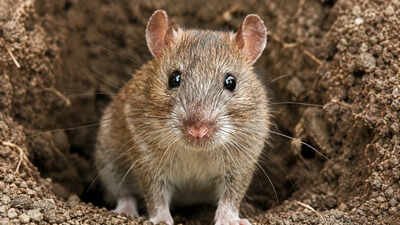
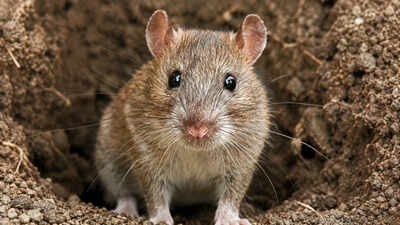
In 2011, conservation teams set out on one of the biggest rat eradications ever on a tropical atoll, targeting an estimated 30,000 invasive rodents on Palmyra Atoll in the central Pacific. The goal was not just to remove a pest, but to restore an entire ecosystem that had been suppressed for more than a century. Five years after the last rat was declared gone, the results were striking: native tree seedlings, once reduced to fewer than 150 across the atoll, surged to more than 7,700, signalling a dramatic rebound of the original forest. As documented by the U.S. Fish and Wildlife Service and researchers from UC Santa Cruz, the Palmyra project shows how removing a single invasive species can unlock rapid, large-scale recovery in island ecosystems. Read on to know more:Palmyra Atoll: a remote laboratory for restorationPalmyra Atoll lies about 1,000 miles south of Hawaii, a ring of low-lying islands, sandbars and reefs surrounding a central lagoon. Though uninhabited today, the atoll has a long human history, from Polynesian navigation to guano mining, wartime occupation and, since 2001, status as a U.S. National Wildlife Refuge managed by the U.S. Fish and Wildlife Service and The Nature Conservancy.Over the decades, ships and human activity inadvertently introduced black rats (Rattus rattus) to Palmyra. With no natural predators and abundant food from seabirds, crabs and native plants, the rat population exploded. By the early 2000s, scientists estimated as many as 30,000 rats were living on the atoll, putting immense pressure on native species.How rats reshaped the atollRats on Palmyra were not just a nuisance; they were ecosystem engineers in the worst sense. They preyed heavily on seabird eggs and chicks, contributing to steep declines in nesting populations. They also consumed seeds and seedlings of native trees, particularly Pisonia grandis, a broadleaf tree that once formed dense forests across the atoll.Before the eradication, surveys found fewer than 150 native tree seedlings across all of Palmyra. Adult trees remained, but without new recruits, the forest was effectively dying in place. In ecological terms, the system was “stuck”: rats prevented regeneration, and the lack of young trees meant less habitat for birds and other wildlife, creating a feedback loop of decline.The 2011 eradication effortIn 2011, a coalition of agencies and conservation groups, including the U.S. Fish and Wildlife Service, The Nature Conservancy and Island Conservation, undertook a massive rat eradication campaign. Using helicopters and ground teams, they distributed rodenticide bait across the atoll’s islands in a carefully planned operation designed to reach every rat while minimising impacts on non-target species.The effort was logistically complex. Because Palmyra is so remote, and the weather and ecosystems so delicate, planners had to time, place the bait and monitor very carefully. After the initial treatment, teams conducted intensive surveys to confirm that no rats remained. In 2012, Palmyra was officially declared rat-free.A forest begins to reboundThe ecological response was swift. With rats gone, native seeds that had once been eaten before they could germinate now had a chance to sprout. Seedlings that would have been consumed as soon as they emerged could now grow. By 2016, just five years after the eradication, researchers counted more than 7,700 native tree seedlings across the atoll, up from fewer than 150 before the project. Most of these were Pisonia grandis, the dominant native tree, but other species also began to reappear. The once “recruitment-limited” forest was suddenly full of young trees, suggesting that the ecosystem was shifting from decline to recovery.UC Santa Cruz ecologists who studied the atoll described the change as one of the most dramatic vegetation rebounds they had seen in a tropical island system.Seabirds and other wildlife respondThe benefits of rat removal extended beyond trees. Seabirds, which had long avoided nesting on rat-infested islands, began to return. Species such as sooty terns, red-footed boobies and other seabirds began nesting in greater numbers, taking advantage of the reduced predation risk. More birds meant more nutrients deposited on the islands in the form of guano, which in turn fertilised the soil and further boosted plant growth. This nutrient feedback is critical on coral atolls, where soils are naturally poor and heavily dependent on marine-derived inputs. Land crabs, another key component of the atoll’s ecosystem, also showed signs of recovery. With rats no longer competing for food and preying on crab eggs and juveniles, crab populations increased, contributing to healthier nutrient cycling and seed dispersal.Why Palmyra matters for global conservationPalmyra Atoll is more than a success story; it is a living laboratory for island restoration. Thousands of islands around the world face similar challenges: invasive rats, cats, mice and other predators driving declines in native birds, plants and invertebrates. Eradication projects are increasingly seen as one of the most effective tools for reversing these trends, but they are expensive, logistically demanding and not always successful.The Palmyra project demonstrates that: Large-scale rat eradication is feasible even on remote, ecologically complex atolls; native ecosystems can respond remarkably quickly once the pressure from invasives is removed; and restoring one part of the food web (removing rats) can trigger cascading benefits across plants, birds and invertebrates.These lessons are now being applied to other islands in the Pacific and beyond, where conservation groups are planning similar eradications to protect endangered species and restore habitats.Ongoing surveillance and long-term vigilanceOnce eradication is complete, the work is not over. Palmyra remains vulnerable to reinvasion, since rats can be carried in on visiting boats or debris. To prevent this, managers maintain rigorous biosecurity protocols: inspecting all incoming vessels and cargo for rats; deploying monitoring traps around the atoll to identify any new rat activity early; and providing training to staff and visitors on rat prevention and rapid response protocols.Vegetation, seabirds and other wildlife are still being monitored long-term, allowing scientists to see how the ecosystem changes over decades, not just years.A vision of what islands can becomeFor conservationists, Palmyra Atoll offers a hopeful vision: an island where human-introduced rats are gone, native forests are regenerating, and seabirds once again fill the sky. The jump from fewer than 150 native tree seedlings to more than 7,700 in just five years is a tangible measure of that recovery.It also serves as a reminder that some of the most powerful conservation actions are also the simplest in concept: remove the key threat, and let nature do the rest. On Palmyra, that approach has turned a rat-dominated landscape into a functioning, resilient atoll ecosystem, one that may continue to recover for generations to come.