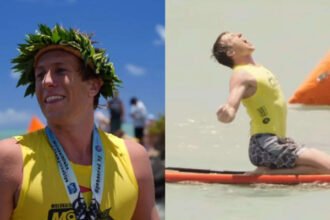
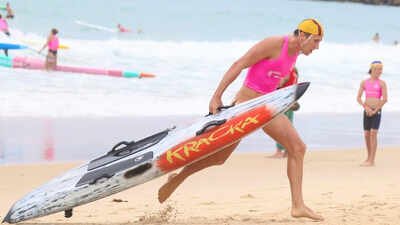
For most athletes, preparing for the world championship means just training, endurance and competition. But for Australian standup paddleboarder Charlie Verco, the weeks leading up to one of the biggest races of his career were anything but usual. In June 2026, Verco was involved in a life-and-death rescue when a woman was attacked by a great white shark off Sydney’s Coogee Beach while on a routine training drill. A few weeks later, he was back in the water, this time not to save a life but to make sporting history and set a new world record at Hawaii’s prestigious Molokai to Oahu Paddleboard Race.
Heroic rescue off Coogee Beach
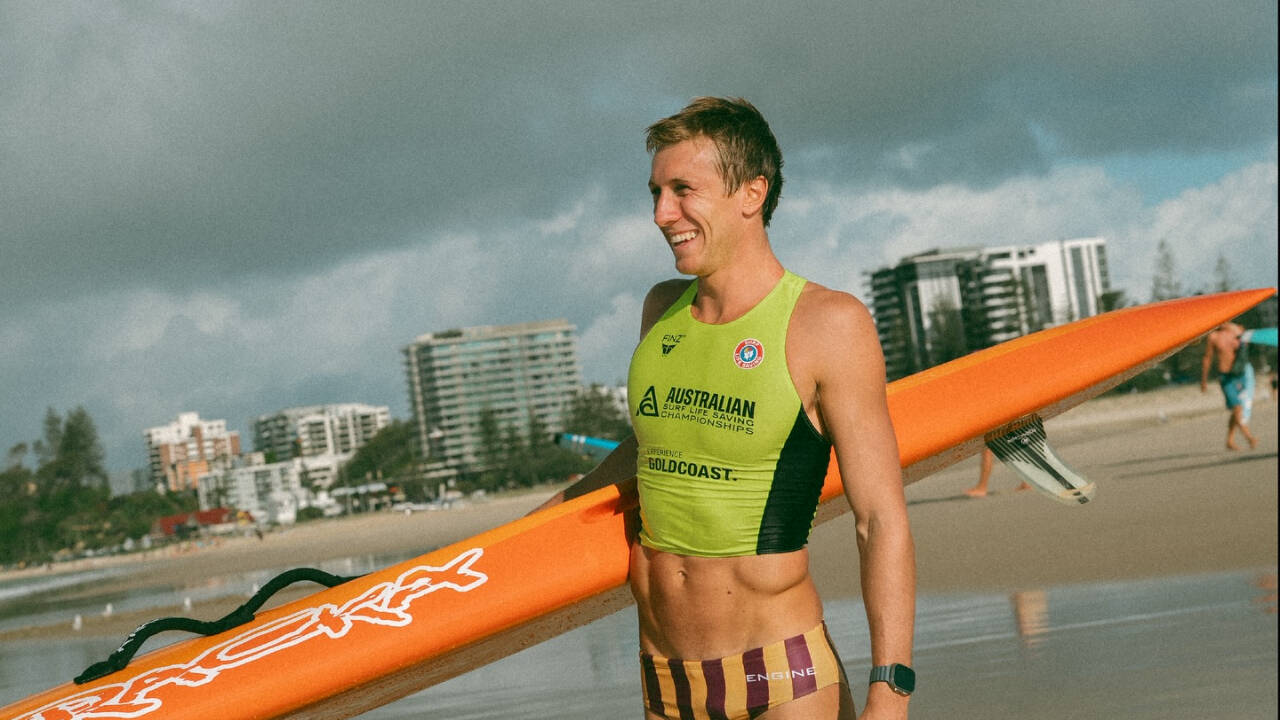
“I’ve only seen one shark bigger than that and that was a tiger shark in Hawaii.”
According to media reports, in June 2026 Verco was training in the waters off Coogee Beach in Sydney when he heard desperate cries for help. Leah Stewart, a 34-year-old teacher, was attacked by a great white shark while swimming. Without delay, Verco, a trained surf lifesaver, paddled straight for Stewart and saved her life. In his interviews, recalling the terrifying moments, Verco said he saw the dorsal fin of the shark coming out of the water. The shark came up, I saw its dorsal fin, it was a big one, about 3.5 metres.” “I’ve only seen one shark bigger than that and that was a tiger shark in Hawaii,” he added. It is reported that Stewart lived after the attack, after undergoing five surgeries, including the amputation of one arm.
Back to the water, but on a different mission
For many, such a traumatic experience would have made it very difficult to return to open water. But Verco took the leap of faith and had his eye on the long-term goal of racing in the Molokai to Oahu Paddleboard Race, considered the world championship of paddleboarding and one of the toughest endurance events in the sport. For the uninitiated, this annual race in Hawaii spans approximately 52 kilometers of open ocean between the islands of Molokai and Oahu and to reach the finish line athletes must battle powerful currents, unpredictable winds, ocean swells and physical exhaustion.
A record-setting performance
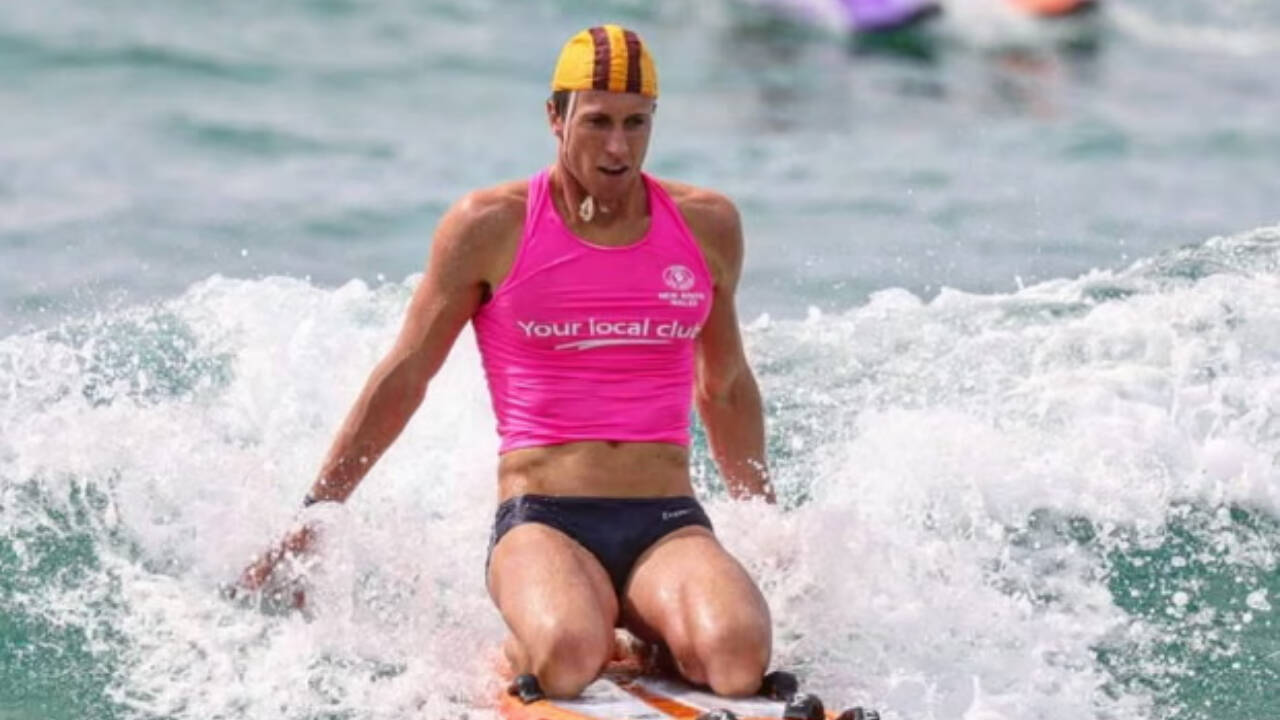
25-year-old completed the crossing in 4 hours, 18 minutes and 3 seconds
According to reports, the 25-year-old completed the crossing in 4 hours, 18 minutes and 3 seconds, beating the previous course record set in 2019 by fellow Australian Matt Bevilacqua by almost three minutes. The win was also a fourth Molokai world title for Verco, another feather in his cap as one of the sport’s all-time greats.Even more impressive was his time, almost 50 minutes faster than the second-place finisher in the Unlimited Paddleboard division. Verco simply described his emotions after crossing the finish line.“I’m so excited,” he said.”Getting across the channel is always a challenge and there’s something different thrown up every year,” he said.
Learning from mistakes
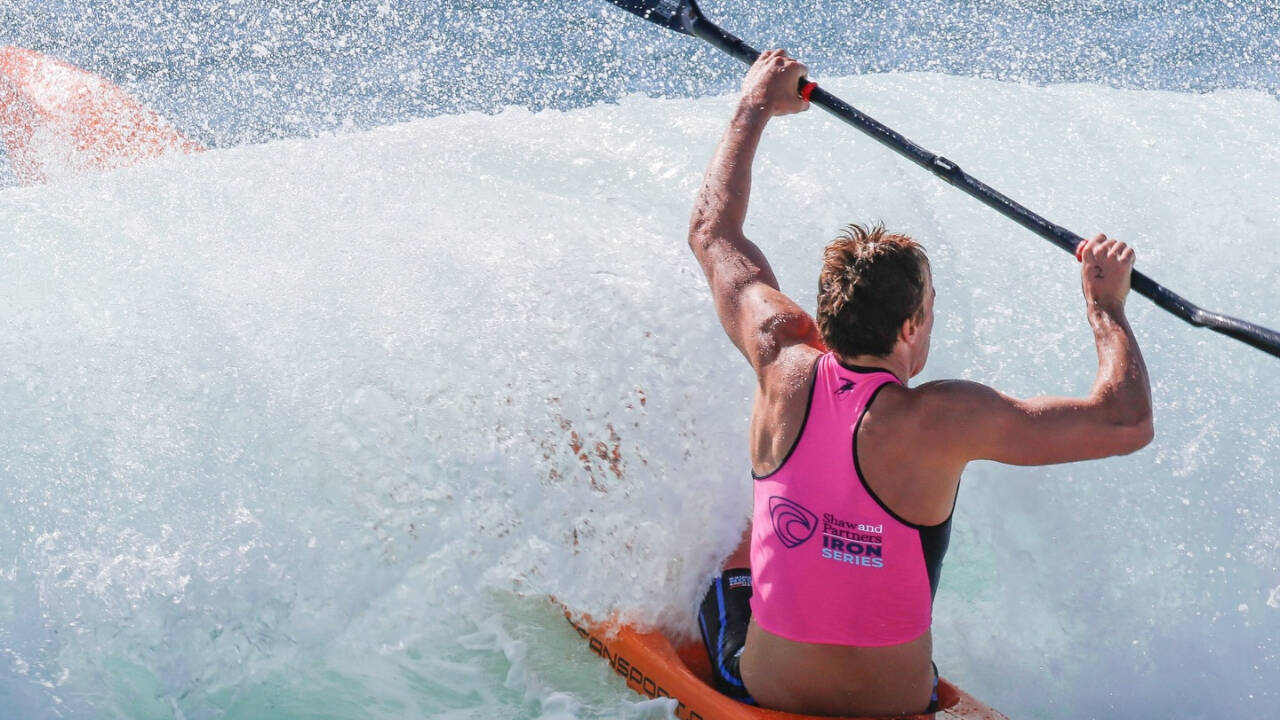
He said, “I just wanted to have fun with it this year.”
Verco said he tried to go after the record last year but was more than 40 minutes slower. He didn’t let disappointment rule him, instead he used the experience to re-think his approach.“Last year, I got a little ahead of myself and started chasing time,” he said.“I just wanted to have fun with it this year. It was the same mindset I had for all my training, not to be so stressed about getting all the miles and all the time in the water.” He also mentioned that during the race, he concentrated on reading the ocean, not obsessing about the clock. Verco’s recent achievements have brought to the fore qualities that go beyond the realm of elite sport. His behaviour at the time of the shark attack was brave, cool and unselfish in exceptional conditions. His world-record victory, meanwhile, was testament to years of discipline, resilience and unwavering devotion to excellence.