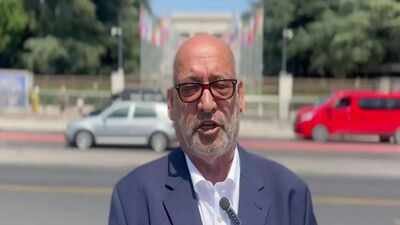
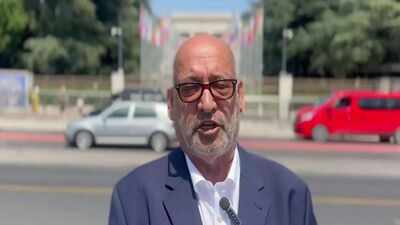
Pakistan has been accused of imposing a harsh crackdown in Pakistan-occupied Jammu and Kashmir (PoJK), with allegations of road blockades, mass arrests and the use of anti-terrorism laws creating a “deep humanitarian crisis,” according to testimonies at the United Nations Human Rights Council (UNHRC).Speaking on the sidelines of the 62nd session of the UNHRC, Mirza Shafiq, Chairman of the Swiss Kashmir Human Rights Commission, said roads connecting the region with Pakistan had been blocked by police and Rangers, disrupting the movement of essential supplies, including food, medicines and other necessities.“The restrictions could trigger widespread unrest across the region,” Shafiq said, describing the situation as “cruelty rather than politics.”He expressed concern over his own 90-year-old mother’s worsening health, saying he had been unable to contact her for nearly three weeks and that her weekly medication had become difficult to access.
UKPNP stages protest at UN in Geneva
The United Kashmir People’s National Party (UKPNP) also staged a demonstration at the iconic Broken Chair monument outside the UN headquarters in Geneva, timed to coincide with the UNHRC session. UKPNP leaders, including Jamil Maqsood and Amjad Yousuf, condemned the actions of Pakistani military and security forces, specifically citing the June 7 firing incident in Rawalakot that resulted in multiple deaths and injuries.Shafiq claimed protests had continued for the past 20 days across PoJK, alleging that more than 22 people had been killed, 576 individuals arrested and 34 booked under anti-terrorism laws. He further claimed that the bodies of some of those killed had not been returned to their families.He urged the international community to intervene and facilitate dialogue between the Pakistani government and the Jammu and Kashmir Joint Awami Action Committee (JKJAAC).
Balochistan, Khyber Pakhtunkhwa violations raised
Pashtun human rights defender Fazal-ur-Rehman Afridi also addressed the UNHRC, accusing Pakistan of widespread violations across PoJK, Balochistan and Khyber Pakhtunkhva.Afridi claimed the situation in PoJK had become “extremely critical” following the banning of the JKJAAC. He alleged that Pakistani security forces had launched a violent crackdown, resulting in dozens of civilian deaths and hundreds of injuries.He also condemned the reported life sentence handed to Baloch human rights activist Dr Mahrang Baloch, describing the judiciary as compromised and calling for her immediate release.Afridi urged the UNHRC to establish an international inquiry into the allegations and demanded unrestricted access for international human rights organisations and journalists to conflict-hit regions.