
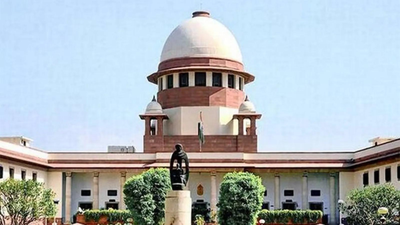
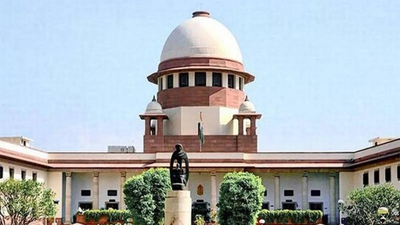
NEW DELHI: Observing that reckless and baseless allegations made against judges strike at the very foundation of judicial independence, which cannot be allowed, the SC on Monday refused to interfere in contempt proceedings against a lawyer who had made various accusations against a sitting judge of the Bombay high court, including that he was associated with a political party. Dismissing the plea of the lawyer, a bench of Justices Vikram Nath and Sandeep Mehta said allegations of this character, if left unchecked, possess an inherent tendency to erode public confidence in the administration of justice. “While accountability and scrutiny are integral to a constitutional democracy, imputations of a personal nature against a judge must rest on unimpeachable material and be pursued strictly in accordance with law, failing which they risk undermining the very edifice of judicial independence,” it said.It said there was nothing wrong in fair, reasoned, and bona fide criticism of judicial decisions, and that it is a legitimate facet of democratic discourse, with a litigant undoubtedly entitled to question its correctness before a higher forum. It, however, said the legitimacy of such a challenge rests upon civilised and temperate criticism of the judicial determination and not upon insinuations directed at the integrity or neutrality of the judge. “A clear distinction must be maintained between assailing the correctness of a judicial decision and personalising the grievance by attributing motives to the judge concerned,” it said.“…any unfounded or intemperate allegations impugning the integrity, motives, or impartiality of the judiciary, whether directed against the institution or an individual judge, assume serious significance. Such imputations, when made without a substantiated basis and in a manner calculated to erode public faith, have the potential to diminish the credibility of the justice delivery system. While fair, reasoned, and bona fide criticism of judicial decisions remains a legitimate facet of democratic discourse, reckless aspersions strike at the very foundation of judicial independence by undermining the trust upon which the authority of the judiciary ultimately rests,” it said.The court noted in its order that the accused lawyer, addressing a press conference and publicly voicing allegations against a sitting judge, could not be viewed lightly. “The act of carrying a pending judicial controversy into the public domain in a manner that tends to sensationalise the proceedings or scandalise the institution or its constitutional component, i.e., the judges, is wholly inconsistent with the discipline expected of an advocate. Professional ethics require that grievances against judicial orders must be ventilated through established legal remedies before appropriate judicial forums, rather than through public commentary capable of influencing perception about fairness or integrity of judicial process,” it said.